What is Micro Moments Marketing?
The average mobile user picks up their phone more than 150 times a day, and most of those touches last under a minute. Inside that compressed window sits a decision your brand either wins or loses. Micro-moments marketing is the discipline of recognising these intent-rich seconds, when someone reaches for a device to know, go, do, or buy, and meeting them with the exact answer, product, or proof they need. For local-services brands specifically, the GBP layer matters as much as the website – covered in our guide to GBP optimisation beyond the basics. For modern marketers, the shift is structural, buying journeys no longer move in tidy funnels but in fragmented bursts triggered by curiosity, urgency, or doubt. Designing campaigns around micro-moments rather than long-form funnels is part of how our digital marketing services in Kolkata frame mobile-first paid media for D2C and local-services clients.
The Four Intent Types That Define Every Modern Journey
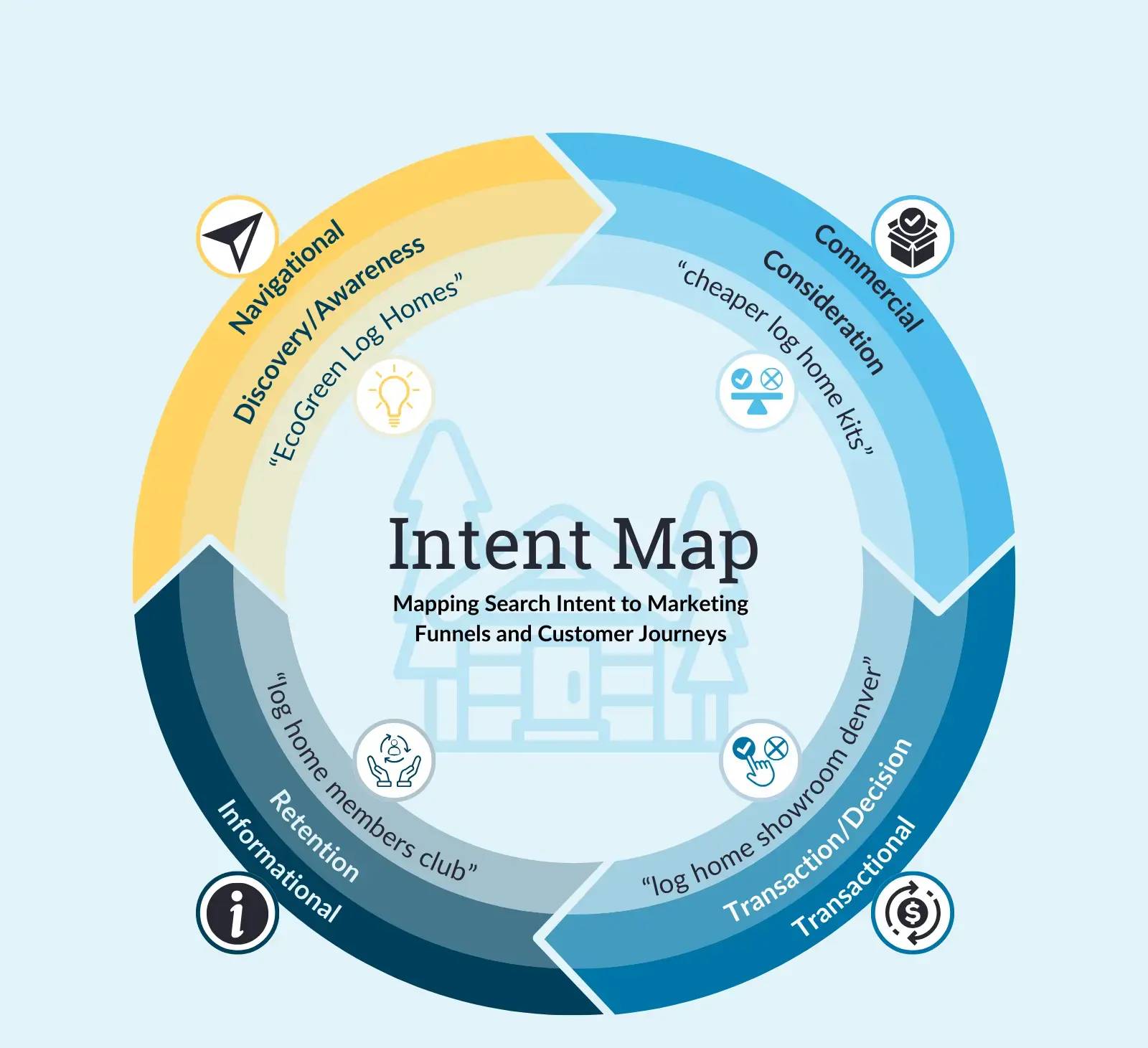
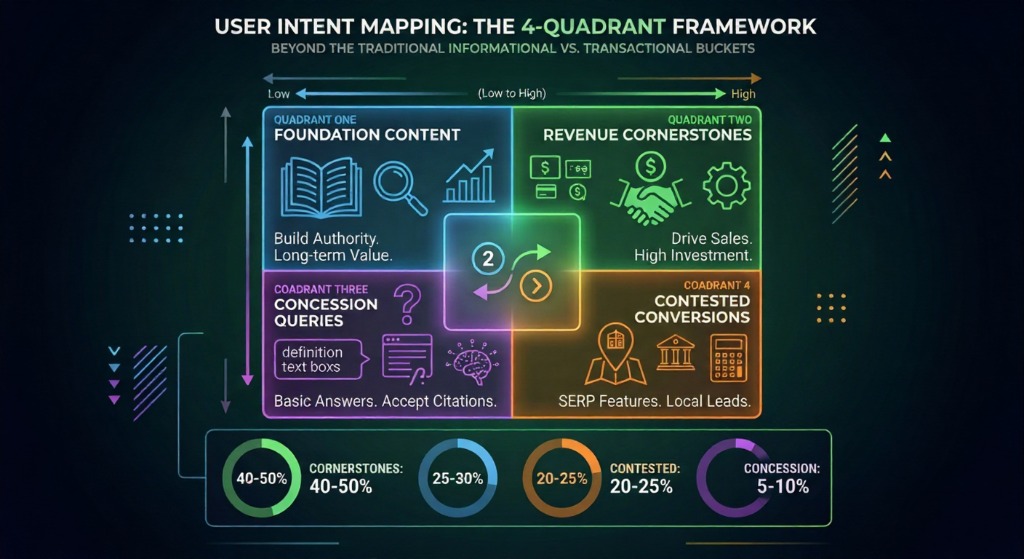
Google’s original framework, I-want-to-know, I-want-to-go, I-want-to-do, I-want-to-buy, still holds, but buyer behaviour has evolved sharply since the framework was first coined. The intent classification framework that maps cleanly to the four micro-moments is in our
search intent mapping breakdown. You’re now competing with AI-generated answers, social search on Instagram, and reviews surfaced inside maps and shopping tabs. The marketer’s job is to identify which type of intent dominates each touchpoint in your category. A skincare brand sees overwhelming I-want-to-know volume for ingredient queries, while a dental clinic in a metro city faces dense I-want-to-go demand driven by proximity and ratings. Mapping your category’s moment mix, not just keywords, gives you a usable blueprint. Without this layer, your content strategy defaults to generic blog volume that fails to intercept high-conversion behaviour. The conversion-side discipline that turns a micro-moment into a transaction uses the same principles as our
SXO breakdown – search experience optimisation, the convergence of SEO, CRO, and UX metrics.
Designing Content Assets for Sub-30-Second Decisions
Once you’ve classified intent, the execution shifts from long-form content to compressed, scannable, decision-ready formats. For I-want-to-know moments, structured FAQ blocks, comparison snippets, and short explainer videos under 45 seconds outperform 2,000-word essays. For I-want-to-buy moments, you need price clarity, real reviews, return policies, and a single-tap CTA visible above the fold. Brands like Lenskart and BoAt have built much of their growth on this principle. Every product page answers the seven questions a buyer asks before checkout, removing the need to leave the page or open a second tab. Audit your existing pages against a simple test, can a stranger reach a confident decision in under thirty seconds of skimming? If the answer is no, the asset is built for slow journeys, not micro-moments.
Platform Behaviour: Where Micro-Moments Now Surface
Search is no longer Google-only. A meaningful share of product discovery happens inside Instagram Reels, YouTube Shorts, Reddit threads, and AI assistants like ChatGPT and Perplexity. Each platform interprets intent differently. Google’s AI Overviews compress informational queries into single paragraphs, often eliminating the click. Instagram dominates I-want-to-buy discovery for fashion, beauty, and home categories, while YouTube Shorts surfaces I-want-to-do moments through tutorial loops. Voice assistants handle hyperlocal I-want-to-go queries with single-answer outputs. Your content distribution plan must reflect this fragmentation. Publishing one asset to one channel is no longer sufficient. Repurpose each insight into platform-native formats, vertical video, carousel, structured snippet, podcast clip, so the same intent gets intercepted regardless of where the person searches. Treat each platform’s algorithm as a separate discovery engine with its own ranking signals.
Measurement and Attribution in a Fragmented Funnel
Traditional last-click attribution collapses under micro-moments because each interaction is short, anonymous, and often zero-click. You need a measurement model that accounts for assisted conversions, branded search lift, and direct traffic spikes following content drops. GA4’s event-based architecture helps, but pair it with view-through metrics from Meta and YouTube, plus branded query growth tracked in Google Search Console. A practical KPI set includes scroll depth on intent-matched pages, time-to-decision on product pages, return visit rate within 48 hours, and uplift in branded discovery queries. Many marketers still over-index on session count and miss the signal hidden in repeat micro-engagements. The goal isn’t to attribute every rupee, it’s to identify which moments consistently precede revenue and double down on those touchpoints.
The AI Search Shift and What It Means for Micro-Moments
AI-driven search has changed the economics of intent capture. When a user asks Perplexity or ChatGPT for “best CRM for a small Indian agency,” the answer is synthesised from multiple sources, with citations becoming the new clickable real estate. To stay visible, your content must be structured for machine extraction: clear definitions, numbered steps, comparison tables, and authoritative sourcing. Entity signals now matter more than keyword density. Brands that build topical authority across review platforms, Wikipedia adjacencies, and structured data tend to surface inside generative answers. The new battleground is being cited, not just ranked. Micro-moments are increasingly resolved inside the answer interface itself, which means your brand mention inside a generative response can be worth more than a page-one ranking that never gets clicked.
Capturing buyer intent in seconds requires you to abandon funnel-era thinking and design for fragmented, fast-moving touchpoints. Start by mapping the dominant intent types in your category, then engineer assets that resolve decisions within thirty seconds, distribute them in platform-native formats, and measure through assisted signals rather than last clicks. The brands winning the next phase of digital discovery will be those that show up inside AI answers, social feeds, and map results with equal precision. Micro-moments are no longer a tactic, they’re the architecture of modern demand.