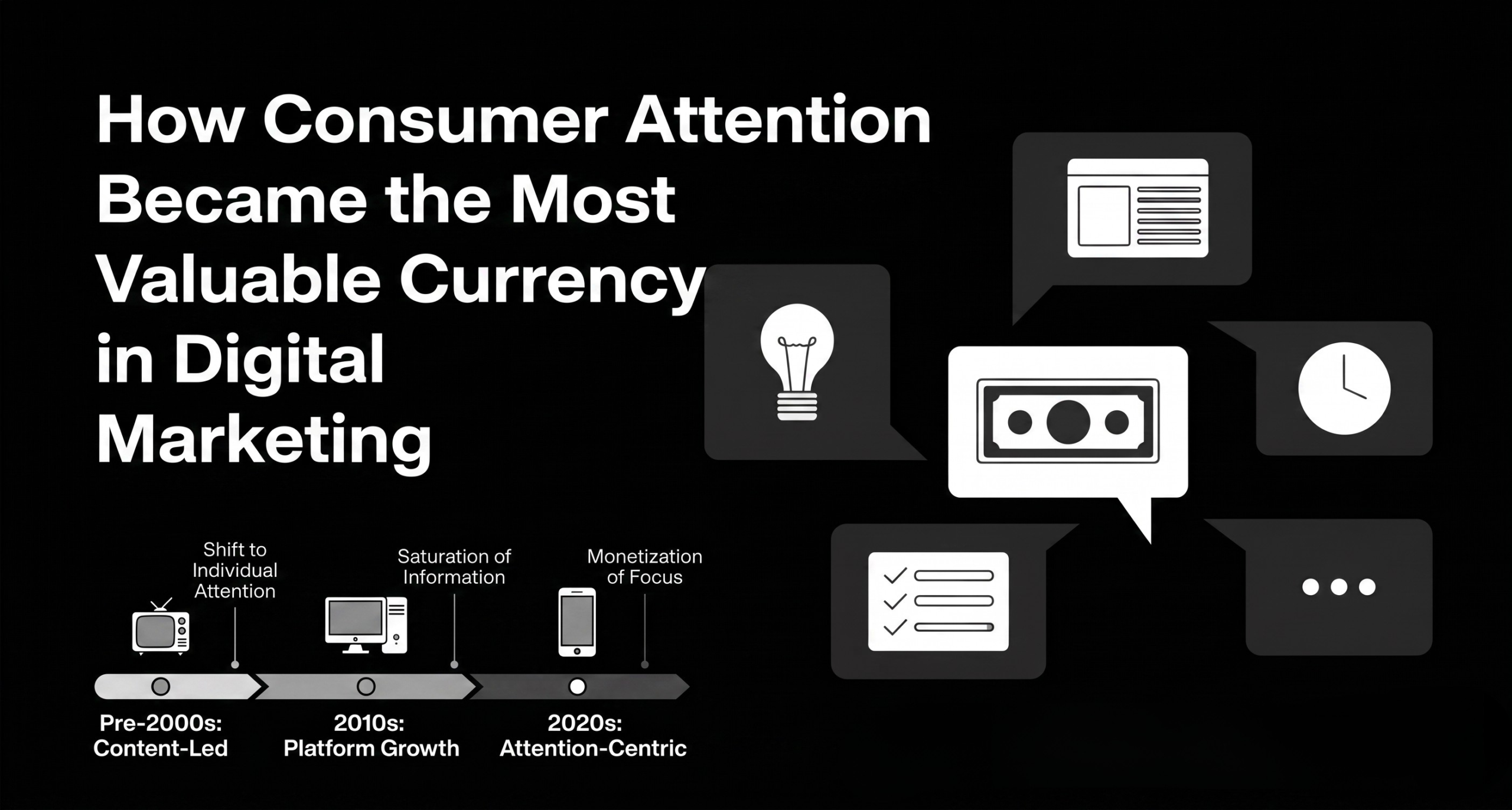
The internet didn’t create the attention economy, it just industrialized it. Advertisers have always competed for eyeballs; what’s changed is the scale, speed, and sophistication of that competition, and the degree to which human attention has become a finite resource being extracted at an unprecedented rate.
In 2026, the average person encounters somewhere between 4,000 and 10,000 brand messages daily. Their ability to consciously process any individual message has not increased proportionally. The result is a brutal marketplace where the marginal cost of producing content is near zero, but the marginal cost of capturing meaningful attention is higher than it has ever been.
Attention Is Not Uniform: The Quality Spectrum
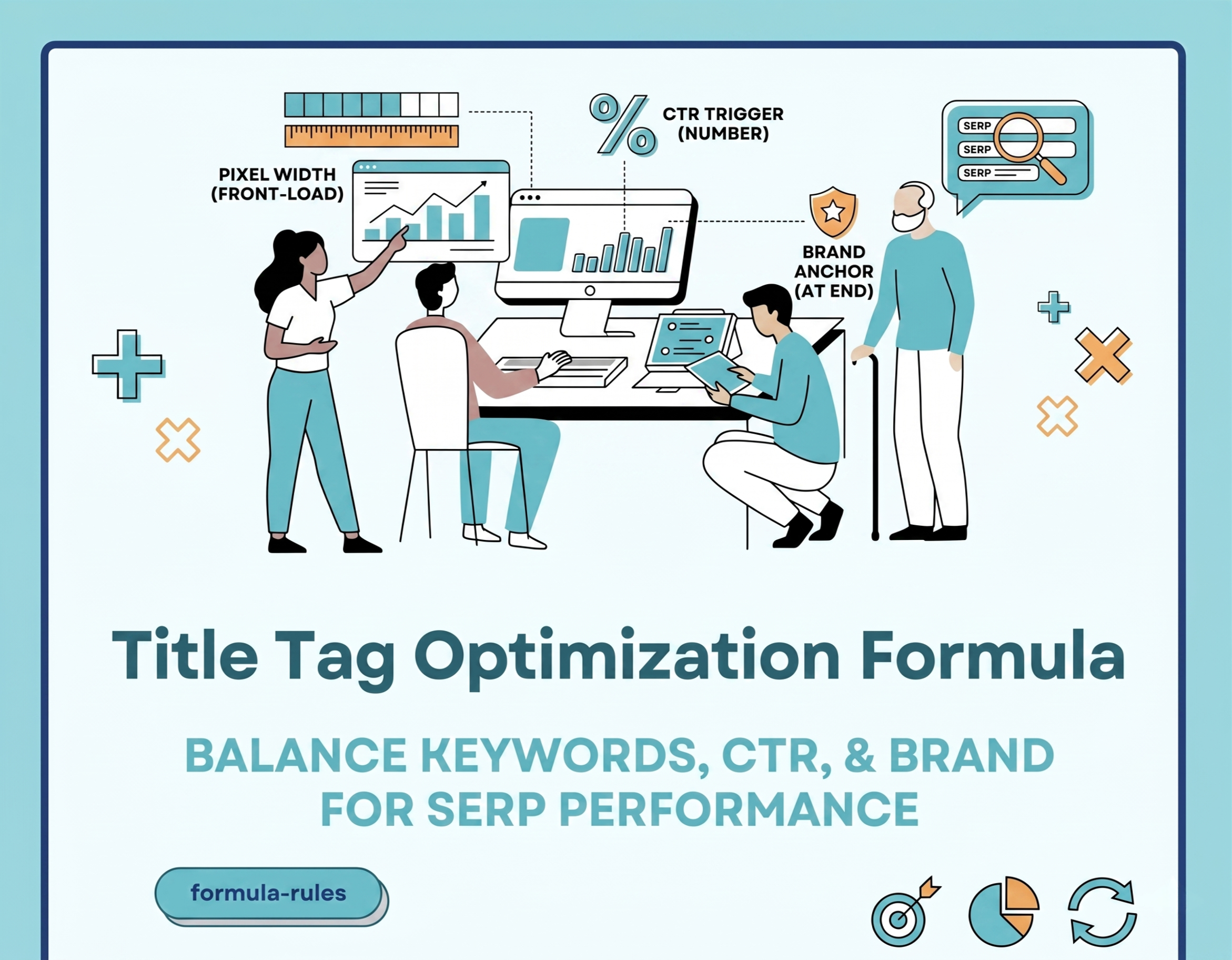
Not all attention is equal, and treating it as a single metric is one of the most common errors in modern media planning. The full reframing of the metric debate, including why clicks no longer matter alone, is in our attention marketing primer.
Passive attention is a banner ad seen peripherally while reading an article, which has measurable but low brand-building value. Active attention is someone choosing to watch a 12-minute YouTube video explaining your product’s methodology, it represents an entirely different category of cognitive investment. The latter compounds; the former doesn’t.
Karen Nelson-Field’s attention research distinguishes between short-form passive exposure and longer-form active engagement, showing that active attention generates disproportionately higher brand memory encoding and purchase intent lift. This has direct implications for how marketing budgets should be allocated and explains why the reflexive shift to 6-second ads may have optimized for reach at the expense of the cognitive work required for brand building.
How Platform Design Shapes Attention Capture
Every major platform in the attention economy is architected to maximize time-on-platform, not to help users achieve their goals. This creates a specific dynamic for marketers: you’re not just competing with other brands for attention, you’re competing with the platform’s own engagement machinery.
TikTok’s algorithm is the most aggressive attention optimization system ever deployed at consumer scale. Its ability to model individual preference at granular resolution means that the content bar the threshold a piece of content must clear to receive continued distribution — is set by the best content a user has ever engaged with. Your ad competes with someone’s favorite creator, not with the average piece of content.
YouTube’s recommendation engine privileges watch time and satisfaction signals, which has created a premium on long-form content that genuinely holds attention a harder creative bar than raw production value. LinkedIn’s feed, despite its professional context, has become increasingly entertainment-driven, rewarding personal narrative and strong opinion over informational density.
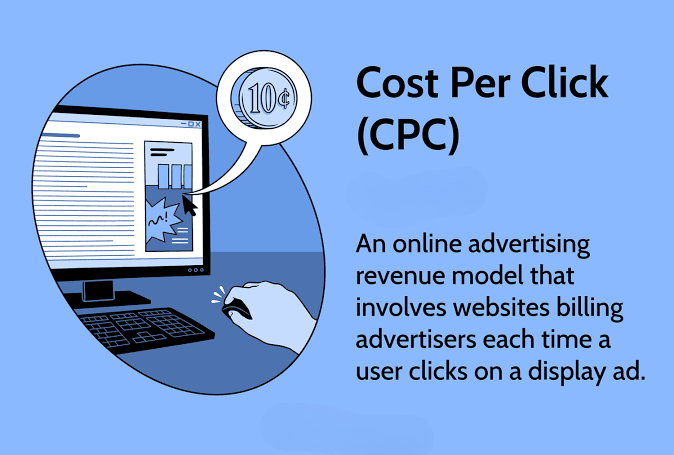
Understanding these platform-specific attention dynamics is prerequisite knowledge for any serious media strategy. The practical implication for paid-social specifically is covered in our breakdown of Meta Advantage+ Shopping and when to switch from manual to automated campaigns.
The Economics of Owned Attention
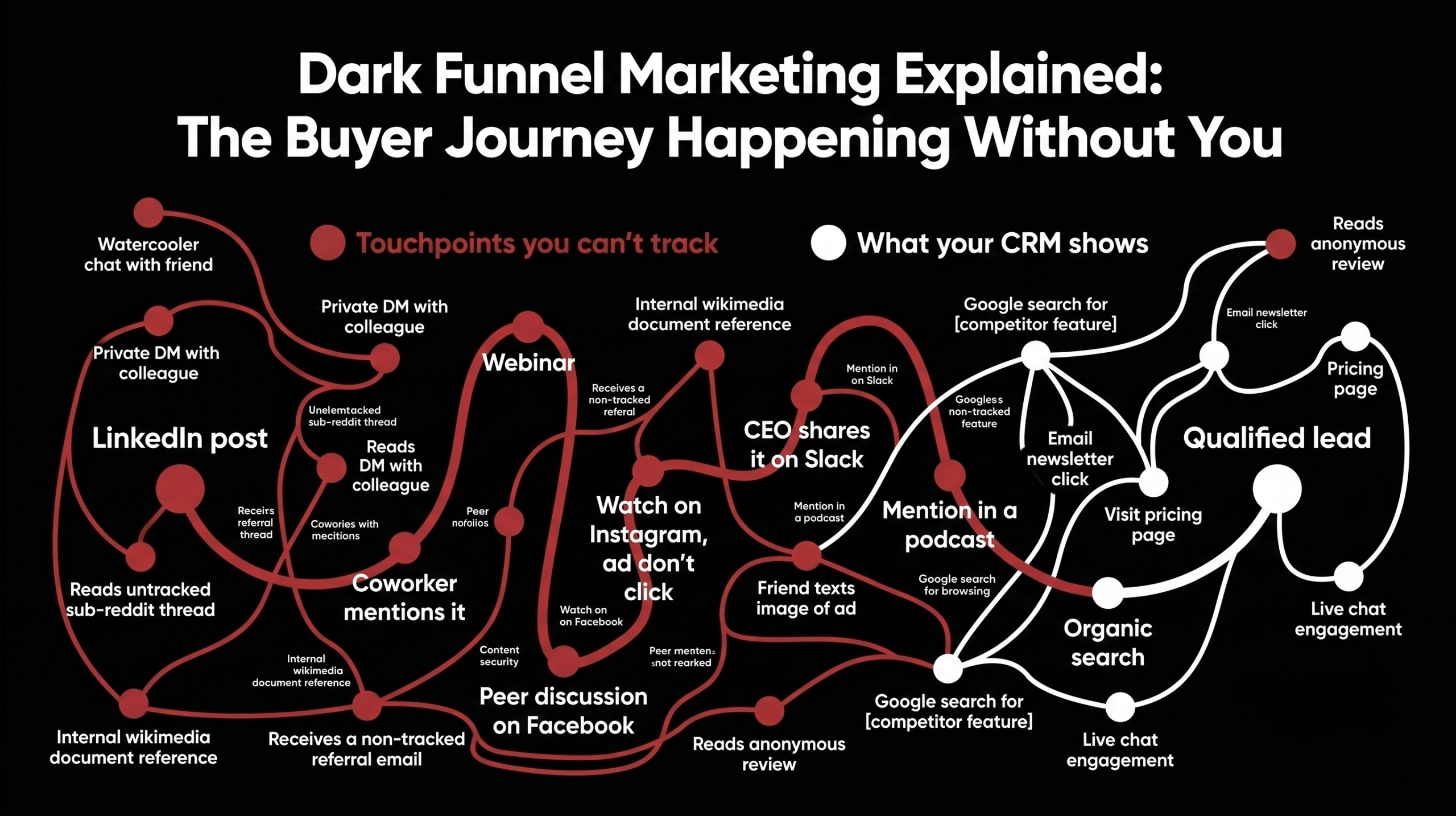
Rented attention the kind you buy through paid media on platforms you don’t control is subject to platform risk, price inflation, and audience commoditization. Most of this contested attention now happens off-platform, where it cannot be tracked directly – a phenomenon covered in our dark funnel marketing breakdown.
An email subscriber who genuinely reads your newsletter is worth multiples of a social media follower in terms of attention quality and commercial conversion probability. A podcast listener who completes episodes represents hours of active attention with your brand an intimacy that no display impression can approximate. A community member who participates in your brand’s forum has made a social and cognitive investment that competitor advertising will struggle to dislodge.
Building owned attention channels is slower and requires genuine content value there’s no shortcut to earning a subscriber or a regular reader. But the compounding nature of these relationships, and their insulation from platform algorithm changes and CPM inflation, makes them strategically superior to rented attention at scale.
Practical Strategies for Earning Attention in 2026
Specificity outperforms breadth. Content designed for everyone reaches no one with conviction. The most effective attention capture in a fragmented media environment is hyper-relevant content that makes a specific audience feel precisely understood. This requires audience segmentation that goes beyond demographics into psychographics and situational context.
Surprise is the neurological gateway to attention. The brain is a prediction machine that filters out expected stimuli. Format disruption, unexpected perspectives, counterintuitive data, and creative pattern interrupts are not stylistic choices they’re physiological requirements for overcoming automatic content filtering.
Repetition across channels builds familiarity that reduces the cognitive cost of future attention. This is the strategic logic behind integrated campaigns: each touchpoint primes the audience to notice the next one more readily, lowering the effective barrier to engagement over time.
Speed of value delivery has increased as a competitive requirement. The threshold for “this is worth my time” has compressed. Introductions that don’t signal value immediately, videos that don’t hook within three seconds, and articles that bury their insight beneath three paragraphs of context all lose before they’ve had a chance to be evaluated.
Final Thought
Attention scarcity isn’t a trend it’s the structural condition of modern marketing. The brands that build durable growth aren’t necessarily those with the biggest media budgets; they’re the ones that have learned to earn attention rather than just buy it. In a market where every competitor can pay for impressions, the ability to create content that people genuinely choose to engage with is a defensible competitive advantage. For brands willing to build for attention rather than impressions, our digital marketing agency in Kolkata runs the full programme from creative through measurement.
Frequently Asked Questions
How do you measure attention quality, not just reach?
Metrics like video completion rates, time-on-page, scroll depth, return visitor rates, and email open and click rates are proxies for attention quality. Combine these with brand recall surveys for fuller measurement.
Is short-form or long-form content better for attention?
It depends on the objective. Short-form excels at awareness and pattern interruption. Long-form builds the deeper brand relationships and cognitive investment that drives high-consideration purchase decisions.
How does AI-generated content affect the attention economy?
It accelerates the commoditization of information, making genuine perspective, trust, and voice more valuable. Content that could only come from your brand or team becomes the attention differentiator.