The way customers discover, evaluate, and purchase products has changed dramatically over the last few years. Search engines remain important, but they are no longer the only place where buying decisions begin. Consumers now find brands through social media platforms, AI-powered search tools, online communities, video content, podcasts, and recommendation algorithms. As a result, businesses can no longer rely on isolated marketing tactics to generate consistent growth – and integrating SEO, paid media, content, and social into a single strategy is the operating model of our digital marketing services in Kolkata.
At the same time, competition for attention has intensified. Every industry is producing more content, running more advertisements, and investing more heavily in digital channels. Simply having a website or social media presence is no longer enough to stand out. Businesses need a clear strategy that connects their goals, audience behaviour, marketing channels, and performance metrics.
A digital marketing strategy acts as the roadmap that guides customer acquisition, brand building, and revenue growth. It helps organisations identify where to invest, how to communicate with their audience, and how to measure success across multiple platforms. In 2026, businesses that operate without a defined digital marketing strategy risk losing visibility, wasting resources, and falling behind competitors that are adapting to changing consumer behavior and emerging technologies.
Customer Discovery Has Changed Permanently
For many years, businesses focused primarily on Google search rankings when building their online presence. While search engine optimisation remains a critical component of digital marketing – and the foundation our SEO services in Kolkata are built on – customer discovery now happens across a much broader ecosystem.
Consumers often begin their research on YouTube, LinkedIn, Instagram, TikTok, Reddit, or industry-specific platforms before ever visiting a company website – surfaces where our social media marketing services in Kolkata build platform-native discovery for B2B and D2C brands. In the B2B sector, buyers frequently engage with thought leadership content on LinkedIn, attend webinars, read industry reports, and compare vendors across multiple websites before contacting a sales team.
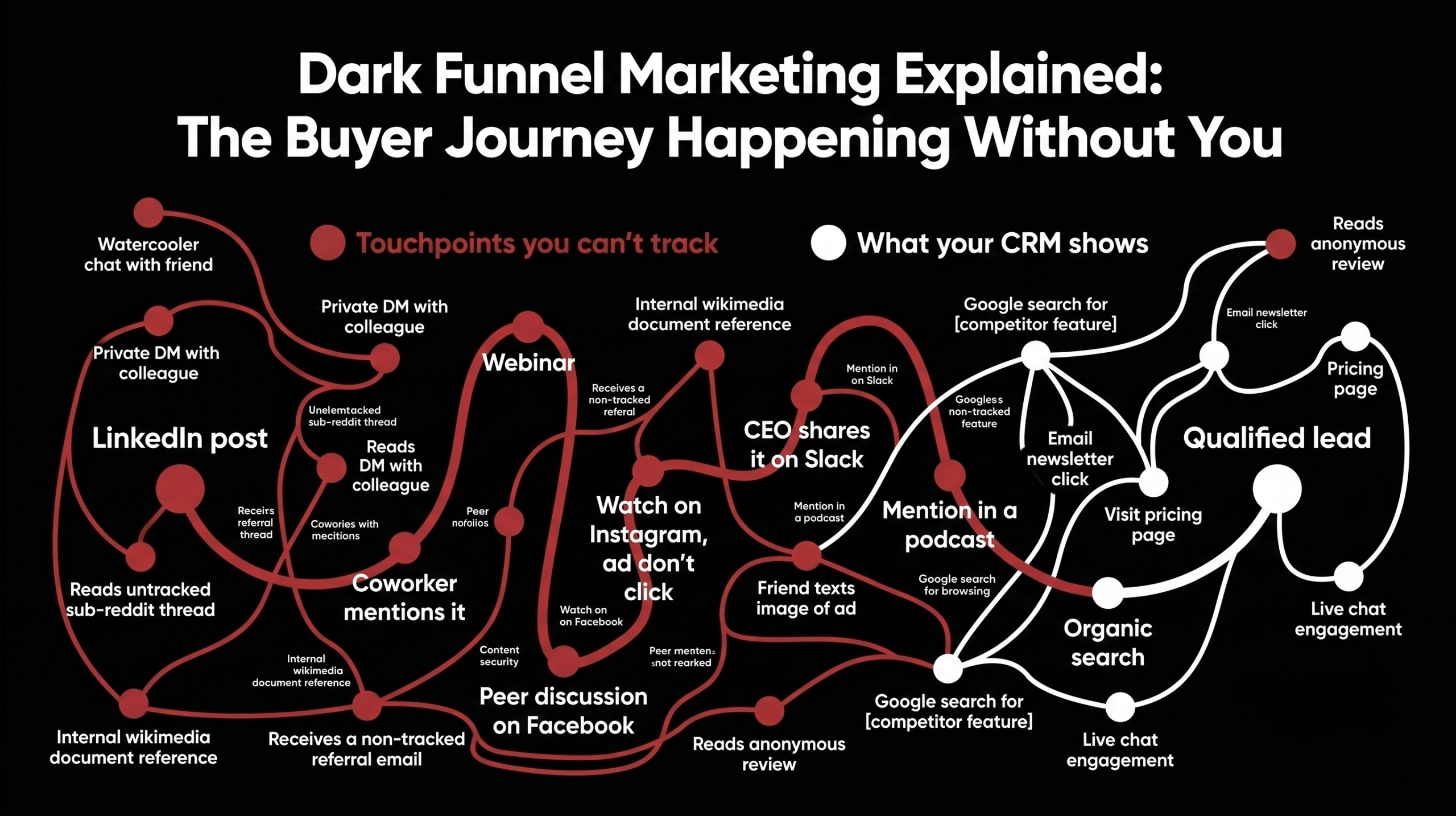
This shift has created a fragmented customer journey. A potential customer may first discover a brand through a social media post, later search for reviews on Google, watch a product demonstration on YouTube, and finally convert after receiving an email campaign. For smaller teams trying to coordinate that journey on limited budgets, the channel-by-channel playbook is in our complete digital marketing guide for small businesses.
Without a digital marketing strategy, businesses often treat these channels independently. Social media teams focus on engagement, SEO teams focus on rankings, and advertising teams focus on clicks. The result is a disconnected customer experience that weakens overall performance.
A strategy ensures that every channel serves a specific purpose within the buyer journey. Awareness channels introduce the brand, educational content builds trust, and conversion-focused campaigns encourage action. When these elements work together, businesses create a more seamless experience that improves both customer satisfaction and marketing efficiency.
Organisations that understand how modern customers discover brands are better equipped to allocate resources effectively and maximise their visibility across multiple digital environments.
Why AI and Search Evolution Demand a Strategy
Artificial intelligence is rapidly changing how information is discovered online. Traditional search results are increasingly being supplemented by AI-generated summaries, conversational search experiences, and personalised recommendations.
Consumers now use tools such as ChatGPT, Gemini, and other AI-powered platforms to research products, compare solutions, and find answers to complex questions. These systems often provide direct responses instead of directing users to multiple websites.
For businesses, this creates both challenges and opportunities. Ranking on Google is still important, but visibility now depends on additional factors such as topical authority, content quality, entity recognition, and brand credibility.
A digital marketing strategy helps businesses adapt to these changes. Rather than focusing solely on keywords, organisations must build comprehensive content ecosystems that demonstrate expertise across entire subject areas. Search engines and AI systems increasingly reward brands that provide accurate, trustworthy, and well-structured information.
For example, a software company that publishes detailed resources, industry research, customer success stories, and educational guides is more likely to be recognized as an authoritative source than a competitor producing isolated blog posts.
AI is also transforming campaign management, audience targeting, content creation, and analytics. Businesses that integrate AI strategically can improve efficiency and uncover new growth opportunities. However, success requires clear objectives and oversight. Technology alone does not replace strategic thinking.
Companies that proactively adapt their marketing strategies to AI-driven discovery will be better positioned to maintain visibility and relevance as search behaviour continues to evolve.
Building a Consistent Multi-Channel Customer Journey
Customers expect consistent experiences regardless of where they interact with a brand. Whether someone discovers a company through search, social media, email, or paid advertising, they expect messaging, positioning, and value propositions to remain aligned.
A digital marketing strategy creates this consistency.
Modern buyers rarely make immediate decisions. Research indicates that customers engage with multiple pieces of content before taking action. They consume blog articles, compare solutions, watch videos, read reviews, and seek recommendations from peers. Each interaction contributes to their understanding of a brand.
Businesses without a strategy often create fragmented experiences. Social media messaging may differ from website messaging, while paid advertisements may promote offers that are disconnected from the broader customer journey.
A strategic approach ensures that each marketing activity supports a larger objective. Content marketing educates prospects, SEO attracts relevant traffic, email marketing nurtures relationships, and paid campaigns accelerate conversions. Together, these channels create a cohesive experience that guides customers toward a purchase decision.
This approach is particularly important for B2B organizations and high-value purchases where buying cycles can span weeks or months. Prospects require ongoing engagement and reassurance before making commitments.
By mapping customer journeys and aligning marketing channels around shared goals, businesses improve conversion rates, strengthen trust, and create more predictable growth outcomes.
Using Data to Improve Marketing Efficiency
One of the most significant benefits of a digital marketing strategy is the ability to make informed decisions based on data rather than assumptions.
Many businesses invest in marketing activities without clearly understanding which channels generate results. They track metrics such as impressions, website visits, or social media engagement, but struggle to connect these numbers to actual business outcomes.
A strategy establishes clear performance indicators from the beginning. Instead of focusing solely on traffic, businesses can measure lead quality, customer acquisition costs, conversion rates, revenue contribution, and customer lifetime value.
This data provides valuable insights into what is working and what needs improvement.
For example, a company may discover that organic search generates the highest volume of traffic while email marketing produces the highest conversion rate. These insights help marketing teams allocate resources more effectively and prioritise activities that drive meaningful business results.
Data also supports continuous optimisation. Businesses can test messaging, landing pages, audience segments, and campaign formats to improve performance over time. Small improvements across multiple areas often produce significant gains in overall marketing effectiveness.
In a competitive marketplace, efficiency matters. Organisations that understand how to measure and optimise performance gain a significant advantage over competitors relying on intuition or outdated assumptions.
Brand Authority as a Long-Term Growth Asset
Many businesses focus heavily on immediate lead generation while overlooking the importance of brand authority. Yet authority has become one of the most valuable assets a company can build in digital environments.
Customers are more likely to trust brands that consistently demonstrate expertise and provide valuable information. Search engines, social platforms, and AI systems also favour authoritative sources when determining visibility.
A digital marketing strategy helps businesses build authority systematically rather than randomly.
This may involve publishing educational content, conducting original research, sharing customer success stories, participating in industry discussions, and establishing thought leadership within a specific niche. Over time, these efforts strengthen credibility and increase recognition among target audiences.
Strong brand authority delivers benefits beyond visibility. It reduces customer acquisition costs, improves conversion rates, increases referral opportunities, and supports long-term customer loyalty.
Consider how buyers evaluate vendors today. Before contacting a company, they often review content, read case studies, explore online reviews, and assess expertise through various digital touchpoints. Businesses with strong authority enter these conversations with a significant advantage.
In increasingly competitive markets, authority is not merely a branding objective. It is a growth driver that influences both customer behaviour and marketing performance.
The Strategic Imperative for Businesses in 2026
The businesses that succeed in 2026 will not necessarily be the ones with the largest marketing budgets. They will be the organisations with the clearest understanding of their audience, the strongest strategic foundations, and the ability to adapt to changing digital behaviours.
A digital marketing strategy provides that foundation. It aligns business goals with customer needs, creates consistency across channels, improves resource allocation, and enables data-driven decision-making. More importantly, it prepares organisations for ongoing changes in search technology, AI-powered discovery, and customer expectations.
The digital landscape will continue to evolve, but the need for strategic direction will remain constant. Businesses that invest in building structured, measurable, and adaptable marketing systems today will be better positioned to attract customers, strengthen brand authority, and generate sustainable growth tomorrow.
In a world where attention is increasingly fragmented and competition is only growing, a digital marketing strategy is no longer a competitive advantage; it is a business necessity.
Once your strategy is in place, the next operational question is how the channels actually compound into revenue – covered fully in our breakdown of how businesses can scale revenue through digital marketing.