Small businesses have more opportunities to reach customers than ever before, but they also face unprecedented competition. A local business is no longer competing only with companies in its neighbourhood. It is competing with businesses across cities and countries, as well as global brands that have mastered digital customer acquisition.
The challenge is not a lack of marketing channels. Small businesses now have access to Google Search, social media platforms, email marketing tools, AI-powered automation, online advertising networks, and content distribution platforms. The real challenge is knowing where to focus limited time, budgets, and resources.
Many small business owners invest in random marketing activities without a clear strategy. They publish social media posts inconsistently, run advertisements without proper tracking, or build websites that attract visitors but fail to generate leads. These fragmented efforts often produce disappointing results.
A successful digital marketing strategy connects every marketing activity to a measurable business objective – the framework our performance marketing team in Kolkata installs at the start of every small-business engagement, before any channel goes live. Whether your goal is generating leads, increasing sales, building brand awareness, or improving customer retention, a structured approach delivers better outcomes.
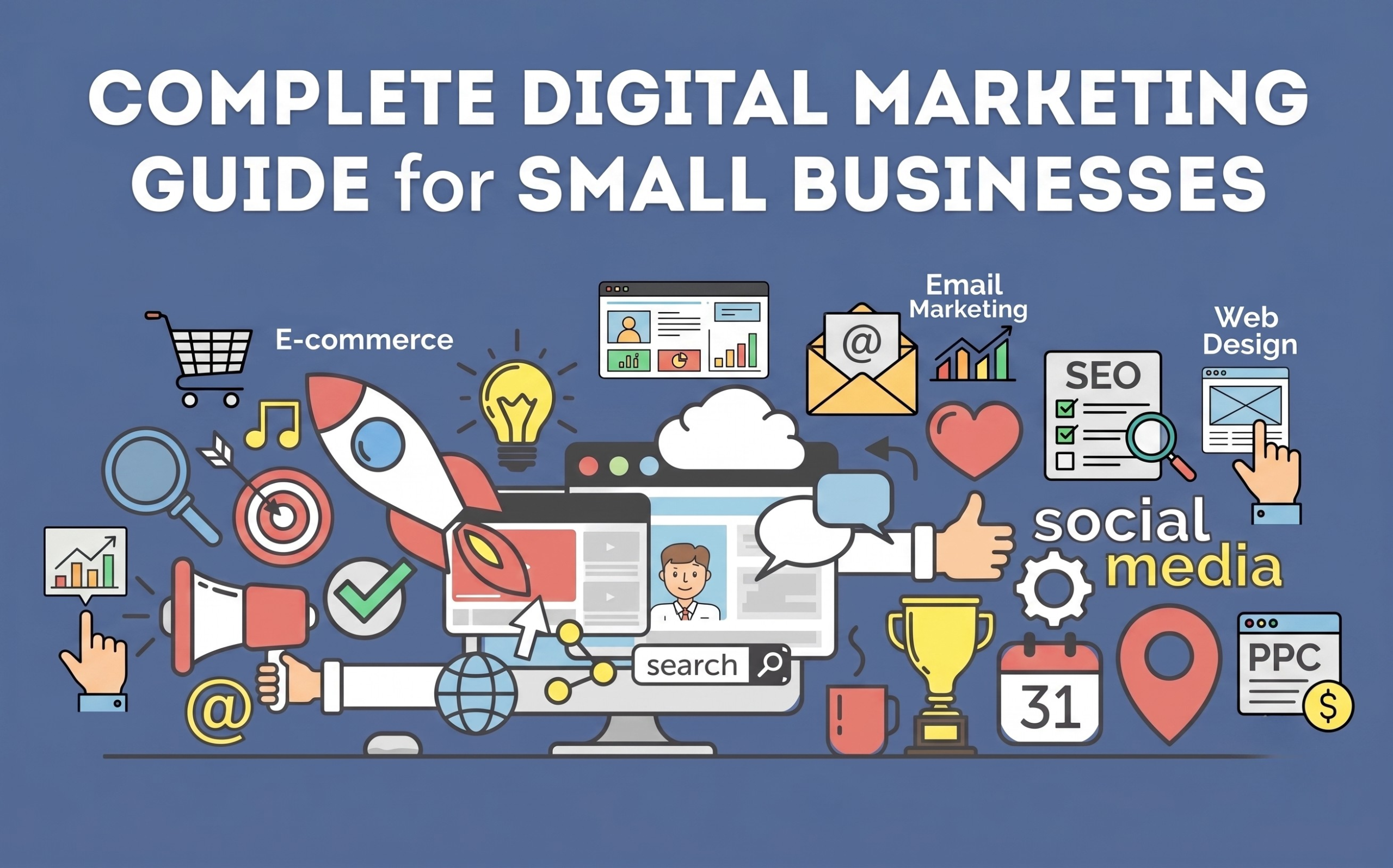
This Digital Marketing Guide for Small Businesses will help you understand the most effective marketing channels, customer acquisition strategies, and growth frameworks that businesses should prioritize in 2026 to build visibility, generate qualified leads, and achieve sustainable growth.
Why Small Businesses Need a Digital Marketing Strategy Before Anything Else
One of the biggest mistakes small businesses make is jumping directly into marketing tactics without developing a strategy.
A business might invest in SEO because competitors are doing it. Another might run Facebook Ads because someone recommended them. The deeper case for treating digital marketing as strategy rather than tactic – covering all channels – is in our breakdown of why every business needs a digital marketing strategy in 2026.
While these channels can be effective, they often fail when implemented without a clear understanding of customer behaviour and business objectives.
A digital marketing strategy begins with identifying your target audience. Who are your ideal customers? What problems are they trying to solve? Where do they spend time online? How do they research products or services before making decisions?
Answering these questions helps determine which channels deserve investment.
For example, a local home services company may benefit significantly from Local SEO and Google Ads because customers actively search for solutions – exactly the scenario our Kolkata SEO agency scopes most engagements around for small-business clients.A B2B consulting firm may generate stronger results through LinkedIn marketing, thought leadership content, and email nurturing, while a high-intent local services business may need paid search instead – the playbook for which is in our PPC management team in Kolkata. The most successful small businesses align marketing channels with customer intent rather than chasing every available platform.
This strategic foundation prevents wasted spending and ensures every marketing activity contributes to a larger growth objective.
How Nullstack Technologies Helps Small Businesses Build Digital Visibility
Digital visibility is the foundation of customer acquisition. If potential customers cannot find your business online, generating consistent leads becomes difficult, regardless of product quality or service excellence.
At Nullstack Technologies, digital visibility begins with understanding how customers search, discover, and evaluate businesses across multiple platforms.
Search visibility remains one of the most valuable assets for small businesses. Appearing in front of customers when they actively search for solutions creates opportunities to generate high-intent leads. This requires a combination of technical SEO, content optimisation, local search optimisation, and website performance improvements.
However, visibility in 2026 extends beyond traditional search engines. Customers increasingly discover businesses through social media platforms, AI-powered search systems, YouTube, industry directories, and online communities.
A modern digital marketing strategy must ensure businesses are present wherever their audience seeks information. This multi-channel approach helps brands build awareness across different stages of the customer journey rather than relying on a single traffic source.
Small businesses that diversify their visibility channels are better positioned to adapt as customer behaviour continues to evolve.
SEO: The Long-Term Growth Engine for Small Businesses
Search Engine Optimisation remains one of the highest-return marketing investments available to small businesses.
Unlike paid advertising, SEO continues generating traffic long after content is published and optimized. Businesses that build strong organic visibility often reduce their dependence on advertising over time.
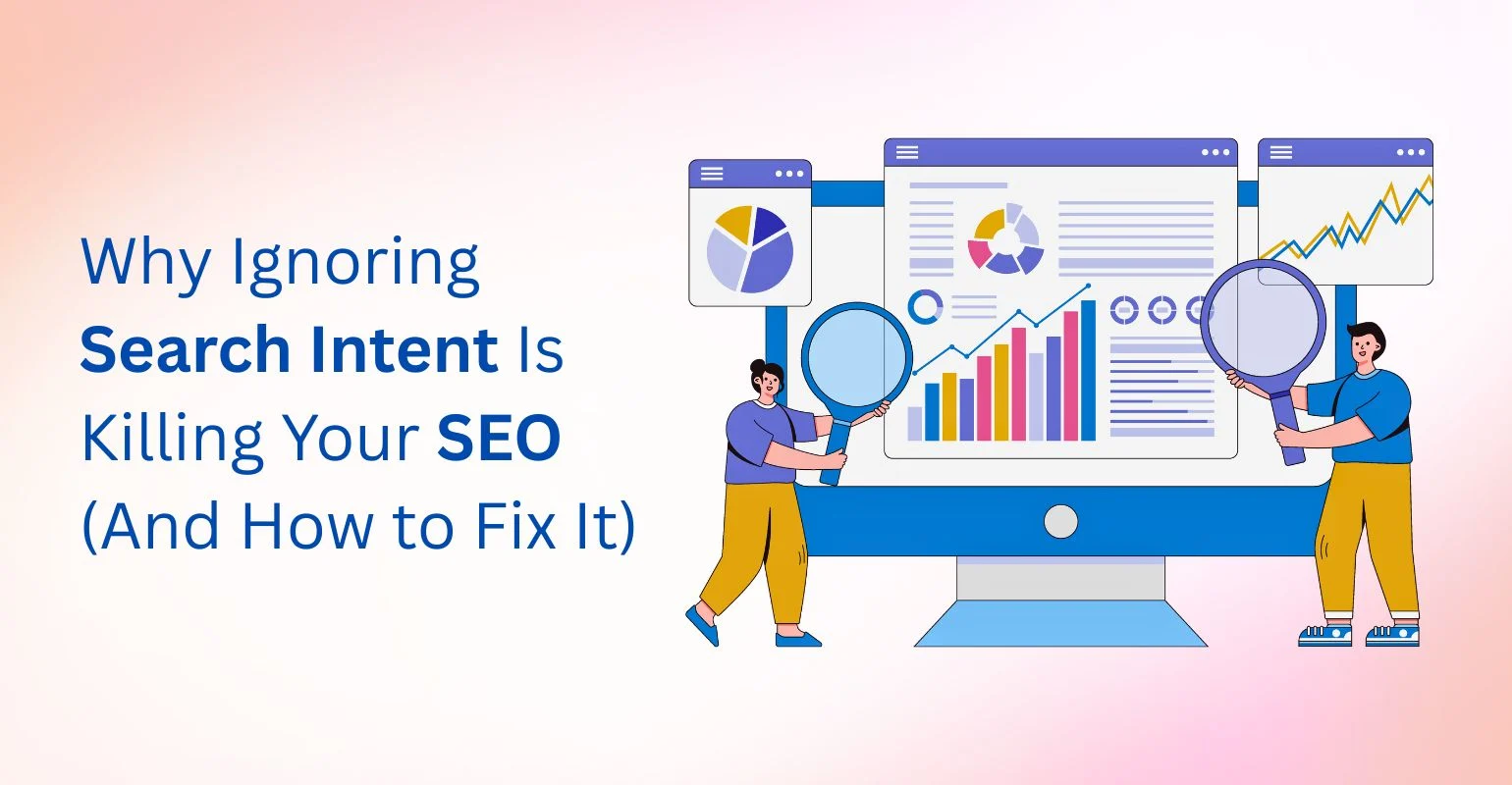
Effective SEO starts with understanding search intent. Rather than targeting broad keywords with high competition, small businesses should focus on specific queries their customers actually use.
For example, a business offering accounting services might achieve better results targeting “tax consultant for startups” rather than competing for broad terms like “accounting services.”
Technical SEO is equally important. Website speed, mobile usability, structured data, internal linking, and site architecture all influence search performance.
Content also plays a major role. Businesses should create educational resources that answer customer questions, address common concerns, and demonstrate expertise.
In 2026, SEO success increasingly depends on topical authority. Search engines reward websites that cover subjects comprehensively rather than publishing isolated articles targeting individual keywords.
Local SEO: Winning Customers in Your Service Area
For many small businesses, local customers drive the majority of revenue. Restaurants, healthcare providers, law firms, home service companies, and retail stores depend heavily on local visibility.
Local SEO helps businesses appear in location-based searches and map listings.
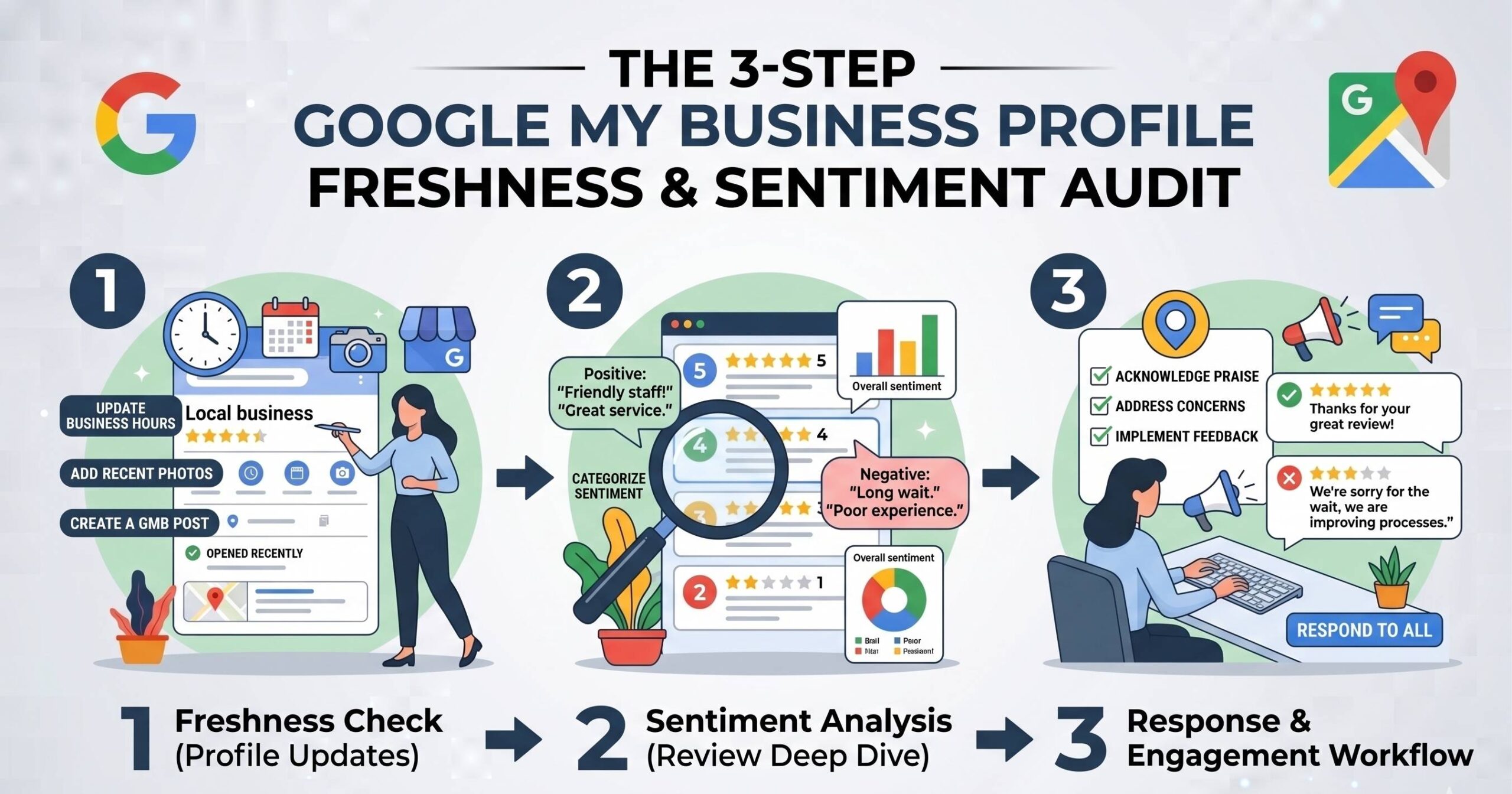
Optimising a Google Business Profile remains one of the most impactful activities. Accurate business information, customer reviews, service descriptions, photos, and regular updates all contribute to local search performance.
Customer reviews are particularly influential. Positive reviews not only improve rankings but also increase trust among potential customers evaluating service providers.
Location-specific content can further strengthen visibility. Businesses should create pages targeting specific cities, neighbourhoods, or service areas where they operate.
A well-executed local SEO strategy helps businesses capture demand from customers actively seeking nearby solutions.
Content Marketing That Builds Trust and Authority
Content marketing is often misunderstood as simply publishing blog posts. In reality, it is a system for educating prospects, demonstrating expertise, and building trust before customers are ready to buy.
Modern consumers conduct extensive research before making purchasing decisions. They compare options, read reviews, and seek expert guidance.
Businesses that provide valuable information throughout this process position themselves as trusted resources.
Content formats can include blog articles, case studies, videos, guides, webinars, FAQs, and customer success stories.
Educational content performs particularly well because it addresses customer questions while showcasing expertise. A landscaping company might publish seasonal maintenance guides, while a software company could create tutorials addressing industry challenges.
The goal is not to produce content for the sake of publishing. Every piece should support customer decision-making and contribute to broader business objectives.
Paid Advertising for Faster Lead Generation
While SEO and content marketing require time to produce results, paid advertising provides immediate visibility.
Google Ads allows businesses to appear when customers actively search for products or services. This makes it particularly effective for generating high-intent leads.
Social media advertising offers a different advantage. Platforms such as Facebook, Instagram, and LinkedIn enable businesses to reach specific audience segments based on demographics, interests, behaviours, and professional characteristics.
Successful advertising campaigns require more than launching ads. Landing page quality, conversion tracking, audience targeting, and ongoing optimisation significantly influence results.
Small businesses should focus on profitability rather than clicks or impressions. The objective is generating qualified leads and revenue rather than maximizing traffic.
Combining paid advertising with SEO often creates a balanced customer acquisition strategy that delivers both short-term and long-term results.
Email Marketing and Customer Retention
Acquiring new customers is expensive. Retaining existing customers is often more profitable.
Email marketing remains one of the most effective channels for maintaining customer relationships and increasing lifetime value.
Businesses can use email to share educational content, promote offers, announce new services, and nurture leads that are not yet ready to purchase.
Automation further enhances effectiveness. Welcome sequences, abandoned cart reminders, follow-up campaigns, and customer onboarding workflows ensure consistent communication without requiring manual effort.
As privacy regulations continue evolving, owned channels such as email become increasingly valuable because businesses maintain direct access to their audience.
A strong email strategy supports both customer retention and lead generation objectives.
Measuring Success: The Metrics Small Businesses Should Track
Many businesses focus on vanity metrics such as social media followers or website traffic. While these numbers provide useful context, they do not necessarily reflect business performance.
Effective digital marketing measurement focuses on outcomes.
Key metrics include lead volume, conversion rate, customer acquisition cost, return on advertising spend, customer lifetime value, and revenue generated from marketing activities.
Tracking these indicators helps businesses identify successful channels and allocate resources more effectively.
Analytics tools provide valuable insights, but data only becomes useful when connected to business objectives. Small businesses should prioritise metrics that directly influence growth decisions.
Organisations that consistently measure performance gain a significant advantage because they can optimise strategies based on evidence rather than assumptions.
Building a Sustainable Growth System for the Future
The most successful small businesses do not rely on a single marketing channel. They build integrated systems where SEO, content marketing, paid advertising, email marketing, and customer retention efforts support one another.
This approach reduces risk while creating multiple opportunities for customer acquisition.
As AI-powered search, personalised recommendations, and changing consumer behaviours continue to reshape digital marketing, adaptability will become increasingly important.
Businesses that invest in strategic marketing foundations today will be better positioned to respond to future changes without constantly rebuilding their marketing programs.
Whether you manage marketing internally or partner with experts such as Nullstack Technologies, the goal should remain the same: creating a scalable system that consistently attracts, converts, and retains customers.
A well-executed digital marketing strategy is no longer just a competitive advantage for small businesses. It is one of the most important drivers of sustainable growth in 2026 and beyond.
Whichever channels you prioritise, content effort is the line item most small businesses fail to measure properly – the corrective frameworks for that are in our guide to content marketing ROI.