Revenue growth is a priority for every business, but scaling revenue sustainably requires more than increasing sales efforts or expanding product offerings. Modern customers interact with brands across multiple digital touchpoints before making purchasing decisions. They search on Google, engage with content on social media, compare solutions through online reviews, watch videos, and seek recommendations from AI-powered search platforms. Businesses that fail to adapt to these changing behaviours often struggle to maintain consistent growth.
Digital marketing provides a scalable framework for attracting qualified prospects, nurturing customer relationships, and increasing conversions. Unlike traditional marketing methods that often rely on broad audience exposure, digital marketing enables businesses to target specific customer segments, measure performance in real time, and optimise campaigns based on actual results.
However, scaling revenue requires more than running advertisements or publishing content. It requires the kind of integrated, instrumented programme our digital marketing agency in Kolkata builds for clients across SaaS, D2C, and B2B services. It requires a strategic system that aligns customer acquisition, brand authority, lead nurturing, and conversion optimisation. Businesses that build these systems can generate predictable growth while maximising the return on their marketing investments.
This article explores how businesses can scale revenue through digital marketing by combining search visibility, content marketing, paid advertising, customer retention, and data-driven decision-making.
Building a Revenue-Focused Digital Marketing Strategy
Many businesses invest in digital marketing without clearly defining how marketing activities contribute to revenue. What that gap looks like inside a real campaign, with real attribution failures and real adaptations, is documented in our digital marketing case study breakdown. As a result, they focus on vanity metrics such as website traffic, impressions, or social media engagement while overlooking the indicators that directly impact business growth.
A revenue-focused strategy starts with understanding the customer journey – and mapping that journey onto search-intent stages is the first audit our SEO experts in Kolkata run on every new engagement. Businesses must identify how prospects discover their brand, what influences purchasing decisions, and which channels contribute most effectively to conversions.
This process involves defining measurable objectives such as lead generation, customer acquisition, average order value, and customer lifetime value. Every marketing activity should support one or more of these objectives.
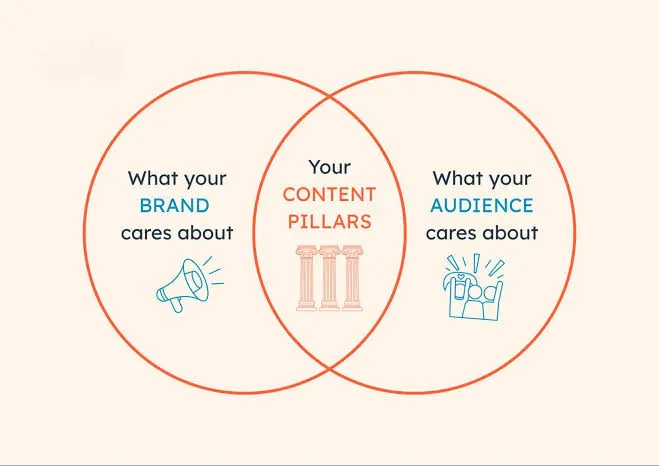
Audience segmentation is another critical component. Different customer groups have unique needs, buying behaviours, and motivations – which is why our paid search experts in Kolkata structure every account around segmented audience cohorts rather than blanket keyword targeting. Businesses that tailor messaging to specific audience segments often achieve higher conversion rates than those using generic marketing campaigns.
A clear strategy also helps prioritise resources. Instead of pursuing every available marketing channel, businesses can focus on platforms that align with customer behaviour and revenue goals. This creates a more efficient growth system and reduces wasted marketing spend.
Using SEO to Generate Consistent Revenue Opportunities
Search Engine Optimisation remains one of the most effective long-term revenue drivers in digital marketing. Unlike paid advertising, SEO continues generating visibility and traffic long after optimization efforts are implemented.
Businesses that rank for high-intent search queries attract prospects who are actively looking for solutions. These visitors often have a stronger likelihood of converting because they already recognize a need and are seeking information or services.
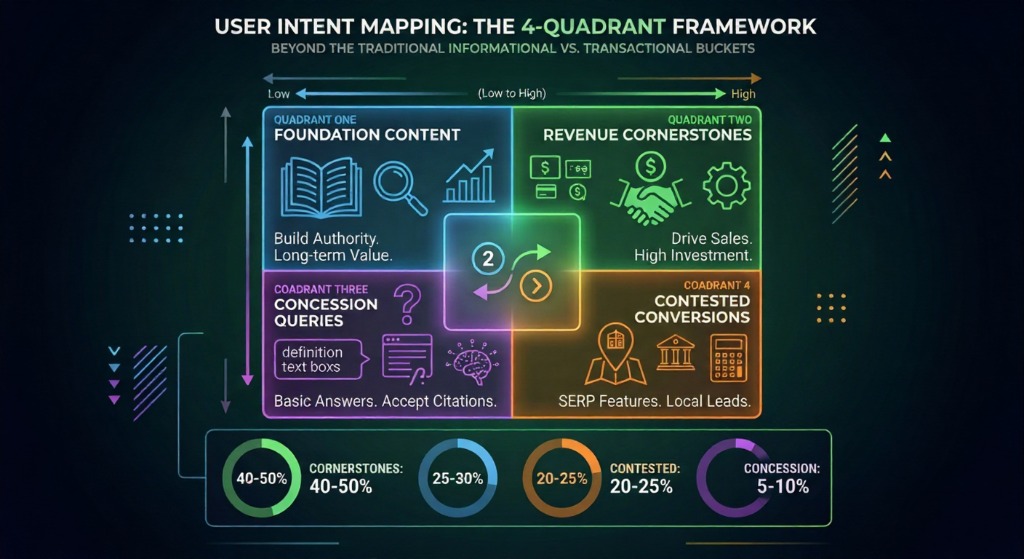
Successful SEO strategies go beyond keyword rankings. They focus on understanding search intent and creating content that addresses customer questions throughout the buying journey.
For example, a software company might create educational resources that explain industry challenges, comparison guides that evaluate available solutions, and product-focused content designed for decision-stage prospects.
Technical SEO is equally important. Fast-loading websites, mobile optimisation, structured data, and strong site architecture improve user experience while supporting search visibility.
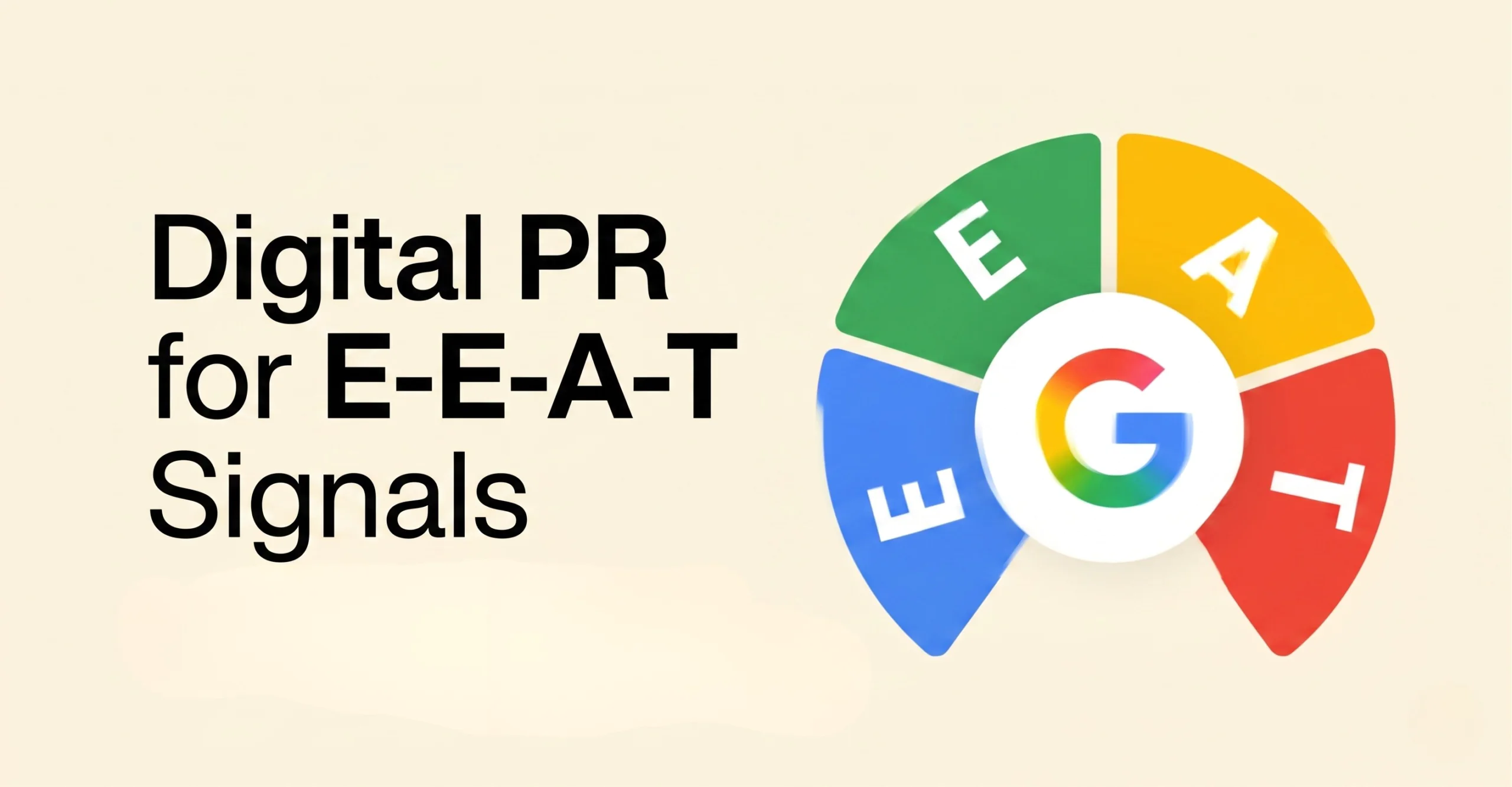
As AI-powered search experiences become more prominent, businesses should also focus on building topical authority. Comprehensive content ecosystems help search engines and AI systems recognise expertise, increasing visibility across traditional and emerging search platforms.
Over time, strong organic visibility reduces customer acquisition costs and creates a sustainable source of revenue-generating traffic.
Leveraging Content Marketing to Influence Buying Decisions
Content marketing plays a critical role in revenue growth because it helps businesses build trust before prospects enter the sales process.
Modern buyers conduct extensive research before making decisions. They compare providers, explore reviews, seek educational resources, and evaluate expertise. Businesses that provide valuable information during this process position themselves as trusted authorities.
Effective content marketing aligns with different stages of the customer journey. Awareness-stage content attracts potential customers, consideration-stage content helps prospects evaluate options, and decision-stage content encourages action.
Case studies are particularly effective for revenue growth because they demonstrate real-world outcomes. Prospects often trust customer success stories more than promotional messaging because they provide evidence of results.
Video content is also becoming increasingly influential. Product demonstrations, educational tutorials, expert interviews, and customer testimonials help businesses communicate value more effectively than text alone.
Rather than focusing on content volume, businesses should prioritise relevance and quality. Every piece of content should address a specific customer need while supporting broader revenue objectives.
When combined with SEO and distribution strategies, content marketing becomes a powerful engine for lead generation and customer acquisition.
Accelerating Growth with Paid Advertising
While organic marketing provides long-term value, paid advertising allows businesses to scale revenue more quickly by reaching targeted audiences immediately.
Google Ads remains one of the most effective channels for capturing demand because it places businesses in front of users actively searching for products or services. These prospects often demonstrate strong purchase intent, making search advertising highly valuable for revenue generation.
Social media advertising serves a different purpose. Platforms such as LinkedIn, Facebook, Instagram, and YouTube help businesses reach audiences based on demographics, interests, behaviours, and professional characteristics.
Successful advertising campaigns require more than audience targeting. Landing page optimisation, compelling messaging, creative testing, and conversion tracking significantly influence performance.
Businesses should focus on profitability rather than click volume. A campaign generating fewer leads but producing higher-value customers often delivers greater long-term revenue than one focused solely on maximizing traffic.
Retargeting is another powerful strategy. Many website visitors do not convert during their first interaction. Retargeting campaigns help businesses reconnect with these prospects and encourage them to return when they are ready to make a decision.
A balanced advertising strategy combines customer acquisition with ongoing optimisation to maximise return on investment.
Increasing Revenue Through Customer Retention and Automation
Many organisations focus heavily on acquiring new customers while underestimating the value of existing relationships. In reality, increasing customer retention often generates greater revenue growth than acquiring additional customers.
Returning customers tend to spend more, convert faster, and require lower marketing costs than new prospects.
Email marketing remains one of the most effective tools for customer retention. Businesses can use automated campaigns to educate customers, promote relevant products, announce updates, and encourage repeat purchases.
Marketing automation allows organisations to personalise communication based on customer behaviour. For example, businesses can create workflows that deliver targeted recommendations, follow-up messages, or loyalty incentives.
Upselling and cross-selling strategies also contribute significantly to revenue growth. Understanding customer needs enables businesses to present additional solutions that increase average order value while enhancing customer satisfaction.
Customer feedback plays an important role in retention as well. Businesses that actively collect and act on feedback often improve experiences, strengthen relationships, and reduce churn.
By maximising the value of existing customers, organisations create more stable and profitable revenue streams.
Measuring What Actually Drives Revenue
Revenue growth depends on understanding which marketing activities contribute to business outcomes. This requires moving beyond surface-level metrics and focusing on indicators that directly influence profitability.
Key performance metrics include customer acquisition cost, conversion rate, customer lifetime value, return on advertising spend, and revenue generated per channel.
Attribution has become increasingly important because modern customer journeys involve multiple touchpoints. A customer may discover a brand through social media, engage with content through search, and convert after receiving an email campaign.
Businesses that analyse cross-channel performance gain a clearer understanding of how marketing efforts influence revenue.
Advanced analytics tools and CRM systems provide valuable insights into customer behaviour, helping businesses identify high-performing channels and optimise future investments.
Data-driven decision-making also supports continuous improvement. By testing different messages, offers, audiences, and campaign structures, businesses can steadily increase marketing efficiency and maximise revenue potential.
Organisations that consistently measure and optimise performance are better equipped to scale sustainably while maintaining profitability.
Creating a Scalable Growth Engine for the Future
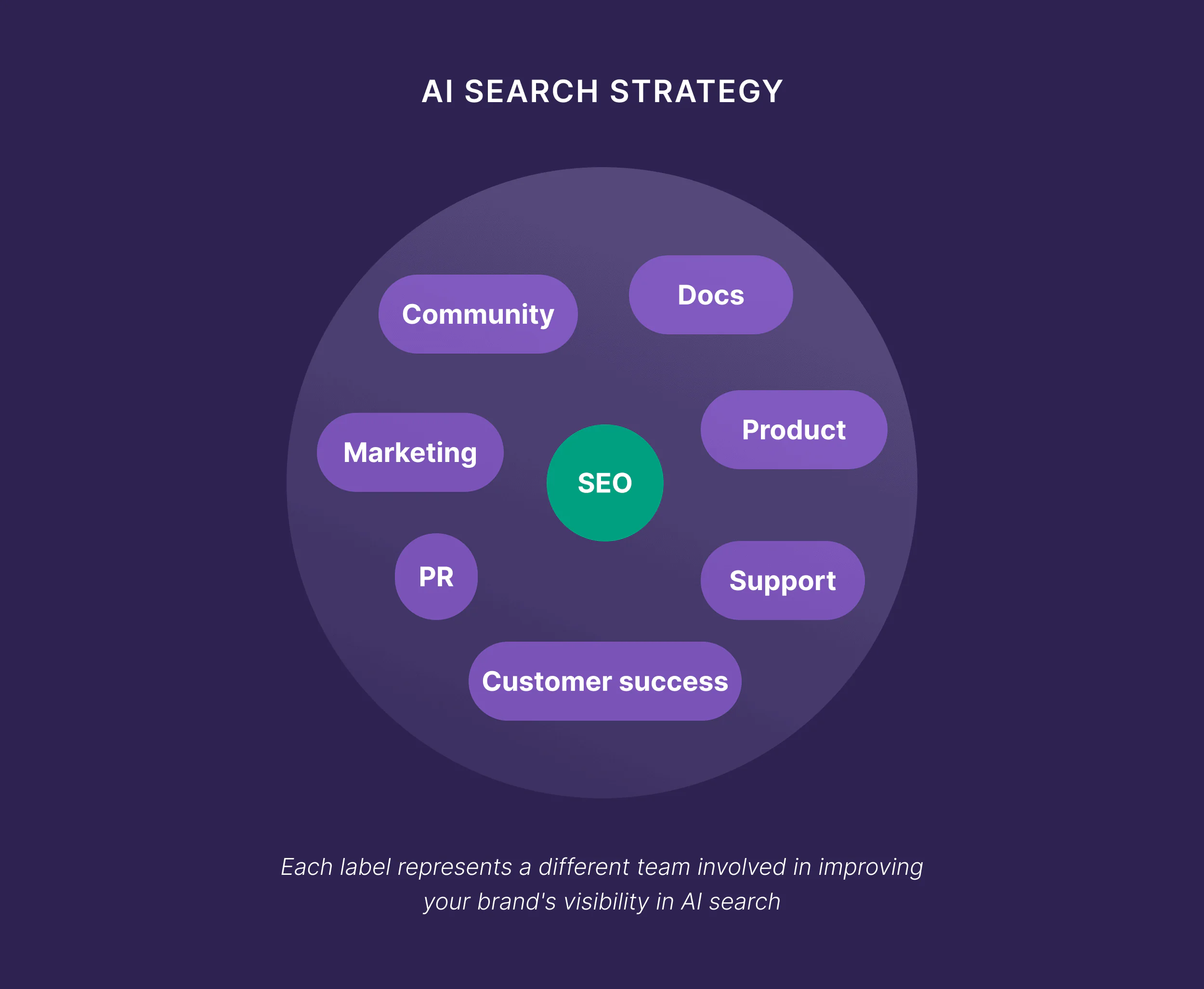
The businesses that scale revenue most effectively through digital marketing do not rely on a single channel or campaign. Instead, they build integrated systems where SEO, content marketing, paid advertising, email marketing, and customer retention efforts work together.
Each channel serves a distinct purpose. SEO captures demand, content builds trust, advertising accelerates acquisition, and retention strategies maximise customer value. Together, they create a growth engine capable of producing consistent results.
As AI-driven search, personalisation technologies, and customer expectations continue to evolve, adaptability will become increasingly important. Businesses must regularly evaluate their strategies, embrace new opportunities, and refine their approaches based on changing market conditions.
Sustainable revenue growth is not achieved through isolated tactics. It comes from creating a coordinated digital marketing ecosystem that attracts, converts, and retains customers at scale.
Businesses that invest in building this ecosystem today will be better positioned to increase revenue, strengthen market presence, and maintain long-term competitive advantages in the years ahead.
For brands where social media specifically is the constrained revenue lever rather than the broader channel mix, the platform-specific playbook is in our guide to scaling revenue through social media marketing.