A few years ago, I took over a brand’s Instagram account that had 12,000 followers and almost no engagement. The previous approach had been posting polished product photos on a consistent schedule, which is what most marketing advice tells you to do. Within eight months, using a completely different approach, that account grew to over 90,000 followers with engagement rates well above the industry average. The difference wasn’t a secret algorithm hack. It was a fundamental shift in how we thought about the platform.
I’ve since managed social accounts for businesses in fitness, food and beverage, professional services, and consumer tech. Here’s what I’ve actually learned works, as opposed to what gets repeated in generic advice articles.
Platforms Reward Native Behaviour, Not Cross-Posted Content
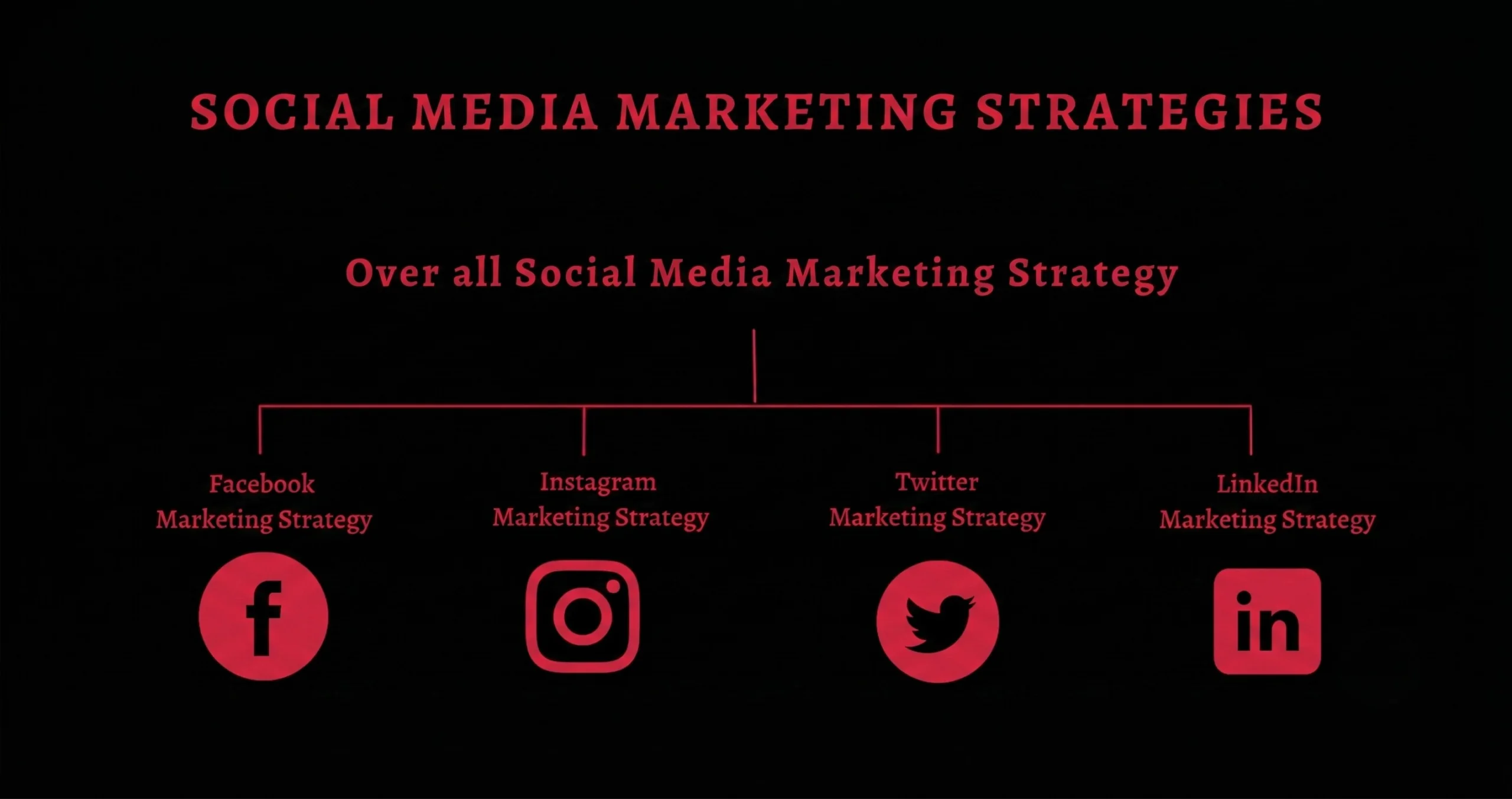
The single biggest improvement I’ve seen in performance across every account I’ve managed came from stopping the practice of writing one caption and posting the same content everywhere. Each platform has its own culture, format expectations, and algorithmic preferences. Content that looks like it was made specifically for TikTok, with platform-native editing, pacing, and tone, consistently outperforms a repurposed Instagram Reel with a watermark still visible.
On the account I mentioned earlier, we stopped batch-producing polished content for reposting and started filming loosely, with more personality and less production value, directly for the platform where it would live. Engagement more than tripled within the first month of that shift alone.
Consistency Matters Less Than Relevance
There’s a persistent myth that posting at the exact same time every day is what drives growth. I’ve tested this directly across several accounts, adjusting posting times, frequency, and consistency while holding content quality constant. The variable that actually correlated with growth wasn’t schedule consistency. It was whether the content was genuinely relevant to a current conversation, trend, or specific audience need at the moment it was posted.
That doesn’t mean posting schedules don’t matter at all, audiences do build habits around when they expect to see you, but I’ve seen accounts with irregular posting schedules significantly outperform rigidly scheduled ones simply because the content itself was sharper and more timely.
Community Management Is Underrated and Under-Resourced
Most brands put nearly all their resources into content creation and almost none into responding to comments, messages, and mentions. This is backwards. On the accounts where I’ve seen the strongest long-term growth, we treated comment sections and DMs as an extension of the content strategy, not an afterthought.
Replying quickly and specifically, rather than with a generic templated response, changes how the algorithm treats a post and how followers perceive the brand. On a food brand’s account, we started replying to nearly every comment within the first hour of posting, often with genuine humour or specific product recommendations rather than “thanks for your comment.” Reach on those posts increased noticeably, and customer service inquiries that used to go to email started happening in public comments, which also served as free social proof for other potential customers.
Paid Social and Organic Social Need to Talk to Each Other
I’ve worked with too many teams where the organic social team and the paid social team operate almost independently, sometimes even reporting to different departments. This creates a real problem because the content that performs best organically is often the strongest signal for what will perform well as an ad, and paid budget can validate organic content ideas faster than waiting weeks for organic reach alone.
The approach I now recommend to every client is to treat organic posts as a testing ground. Whatever performs best organically within the first 48 hours gets a small paid boost to validate it further before committing larger ad spend to a fully polished campaign version. This has consistently reduced wasted ad spend on creative that never had real audience validation in the first place.
Follower Count Is a Vanity Metric Until It Isn’t
I’ve had honest conversations with clients about the fact that follower count alone tells you very little about business impact. I’ve seen accounts with under 20,000 followers drive meaningful revenue because the audience was tightly aligned with the product, and I’ve seen accounts with hundreds of thousands of followers generate almost no measurable business results because the audience was built through broad, low-relevance content or giveaways.
The metrics I actually track with clients now are saves, shares, click-throughs to the website, and, wherever trackable, attributed revenue or leads. Follower growth is something I monitor as a secondary signal, not a primary goal.
What Actually Drives Sustainable Growth
Across every account I’ve managed, the accounts that grew sustainably shared a few things in common. They posted content that felt native to the platform rather than repurposed. They treated their community as a two-way conversation instead of a broadcast channel. They tested content organically before scaling it with a paid budget. And they measured success by outcomes that mattered to the business, not just follower counts or vanity metrics.
Social media marketing isn’t about mastering a trick that works for every account. It’s about understanding your specific audience, respecting how each platform actually works, and being willing to adjust based on what the data shows rather than what conventional wisdom suggests.