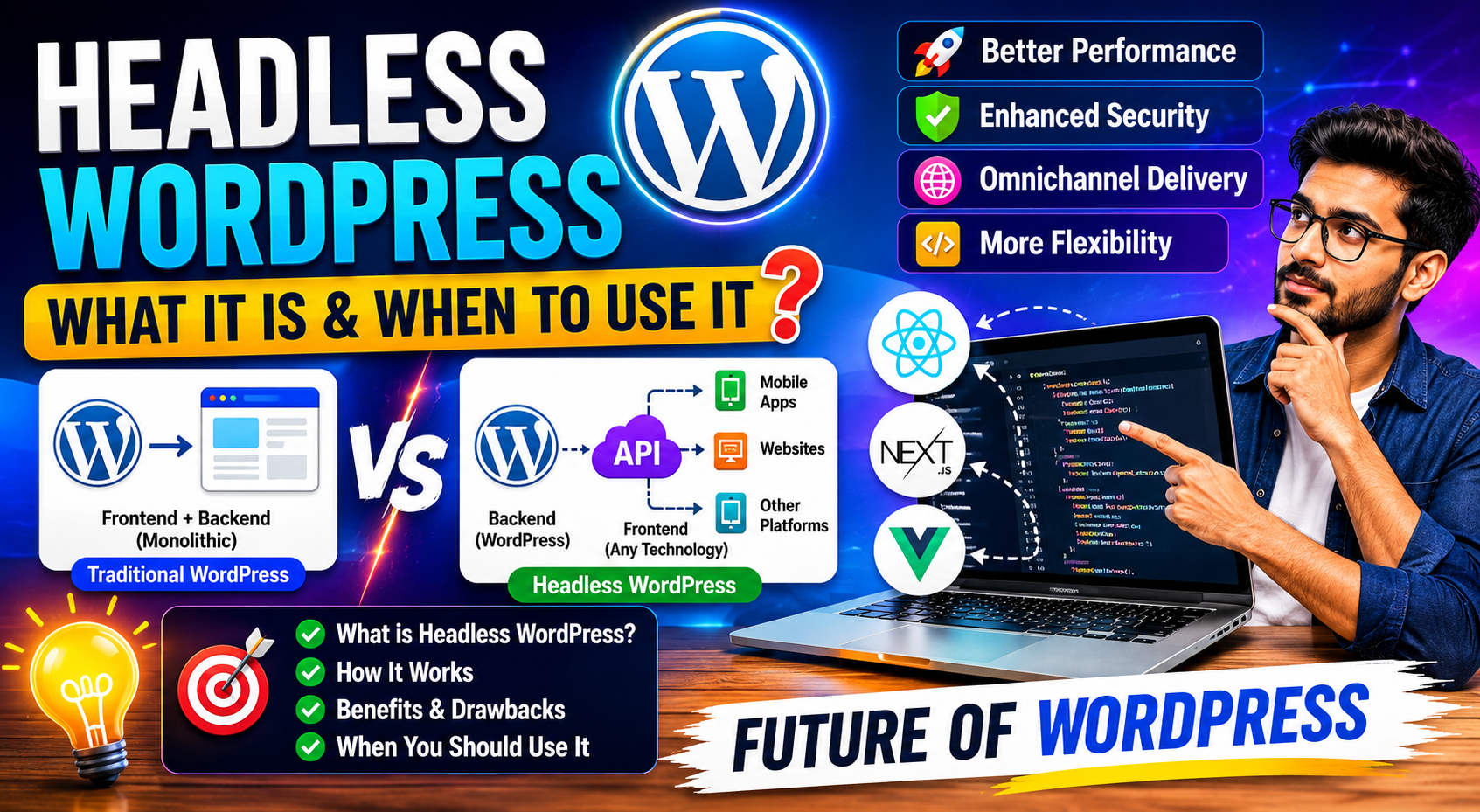

Modern JavaScript frameworks have transformed web development by delivering fast, interactive, and highly dynamic user experiences. Technologies such as React, Next.js, Angular, and Vue power many of today’s most popular websites and web applications.
However, while these frameworks provide exceptional user experiences, they can also create significant search engine optimisation challenges if not implemented correctly.
JavaScript SEO focuses on ensuring that search engines can effectively crawl, render, index, and rank content generated by modern web applications. For businesses relying on organic search traffic, understanding JavaScript SEO has become essential – and getting it right at the architectural level is one of the specialist disciplines our technical SEO team in Kolkata is built around.
Why JavaScript SEO Matters
Traditional websites serve complete HTML content directly to search engines. This allows search engine crawlers to immediately access text, links, metadata, and structured data.
JavaScript-powered websites often operate differently. In many cases, the initial HTML contains minimal content while JavaScript generates the page dynamically after loading.
Although Google can process JavaScript, rendering requires additional resources and time. This creates potential indexing delays and increases the risk of important content being overlooked.
When search engines cannot properly process JavaScript-rendered content, websites may experience:
- Reduced organic visibility
- Slower indexation
- Missing pages in search results
- Crawling inefficiencies
- Lower rankings for target keywords
Understanding Website Rendering Methods
The rendering method used by a website significantly impacts SEO performance.
Client-Side Rendering (CSR)
Client-Side Rendering relies on JavaScript running within the user’s browser to generate page content.
While CSR provides excellent interactivity, it presents the greatest SEO challenges because search engines initially receive very little content.
Server-Side Rendering (SSR)
Server-Side Rendering generates complete HTML on the server before delivering it to users and search engines. Implementing SSR correctly on production sites -without breaking analytics, third-party scripts, or layout -is part of the standard delivery of our WordPress development company in Kolkata for headless and JavaScript-led builds.
This approach improves crawlability and ensures search engines can access important content immediately.
Static Site Generation (SSG)
Static Site Generation creates HTML pages during the build process.
Because content is pre-rendered, search engines can efficiently crawl and index pages without waiting for JavaScript execution.
For SEO-focused websites, SSG is often considered one of the most effective rendering approaches.
Incremental Static Regeneration (ISR)
ISR combines the benefits of static generation with content freshness.
Pages can be updated automatically without requiring a complete rebuild, making it particularly useful for websites that publish content regularly.
How to Identify JavaScript SEO Problems
The first step in improving JavaScript SEO is identifying potential indexing issues.
Review Google Search Console
Google Search Console provides valuable insights into how search engines process your pages.
Compare the rendered page with the live version viewed in a browser. Where significant differences appear, the diagnostic toolkit for measuring render-side performance is documented in our PageSpeed Insights in WordPress guide.
Check the Raw HTML Source
Viewing the page source can reveal whether important content exists in the initial HTML response.
If the source contains very little text while the visible page contains extensive content, JavaScript rendering may be affecting SEO performance.
Conduct Technical SEO Crawls
Advanced crawling tools can simulate search engine behaviour and identify pages where content, links, or metadata are inaccessible without JavaScript execution.
Regular audits help uncover hidden indexing issues before they impact rankings.
Best Practices for JavaScript SEO
Prioritise Server-Side Rendering for SEO Pages
Landing pages, blog posts, service pages, and product pages should be rendered on the server whenever possible. For brands evaluating whether a headless WordPress architecture is the right vehicle for SSR specifically, the trade-offs are covered in our headless WordPress explainer.
Providing complete HTML ensures search engines can immediately access and understand page content.
Use Proper Internal Linking
Search engines rely on standard HTML links to discover pages.
All important navigation elements should use traditional anchor tags with valid href attributes rather than JavaScript-based click handlers.
Avoid Hiding Critical Content Behind JavaScript
Important information such as product descriptions, service details, pricing, and category content should be available in the initial HTML response.
Search engines may not consistently process content that loads only after user interaction.
Optimise Structured Data Implementation
Structured data supports rich search results and enhanced visibility.
Implementing schema markup directly within server-rendered HTML improves reliability and increases the likelihood of successful processing.
Improve Crawl Efficiency
Large JavaScript websites can consume significant crawl resources.
Reducing duplicate URLs, simplifying navigation, and eliminating unnecessary scripts can improve crawl efficiency and indexing performance.
JavaScript SEO and Core Web Vitals
Addressing JavaScript SEO issues often leads to measurable improvements in user experience metrics.
Server-rendered websites typically achieve stronger performance in the metrics that decide page experience, and the non-developer playbook for each Vital is in our Core Web Vitals optimization guide. The metrics that benefit most from SSR include:
- Largest Contentful Paint (LCP)
- First Contentful Paint (FCP)
- Cumulative Layout Shift (CLS)
These metrics contribute to Google’s page experience signals and can indirectly support stronger search performance.
JavaScript frameworks offer tremendous flexibility and user experience advantages, but they require careful SEO implementation.
Businesses using React, Next.js, Angular, or Vue should ensure their websites are optimised for crawlability, rendering, and indexation. By adopting server-side rendering, improving technical architecture, and following JavaScript SEO best practices, organizations can maximize both user experience and search visibility.
As search competition continues to grow, JavaScript SEO remains one of the most valuable technical investments for websites that depend on organic traffic and long-term digital growth.