When I started managing my first ad budget nine years ago, it was a modest ₹10000 a month for a local furniture store. I spent the first three weeks convinced that more impressions meant more sales. I was wrong, and that mistake taught me more about digital marketing than any course ever did. Today, after running campaigns for businesses ranging from single-location retailers to funded SaaS startups, I still return to the same lesson: digital marketing rewards patience and punishes shortcuts.
Start With the Business Model, Not the Channel
The biggest mistake I see marketers make, myself included early on, is picking a channel first. Someone decides we need to be on TikTok or let’s run Google Ads before they’ve answered a more basic question: how does this business actually make money, and what does a customer’s purchase journey look like?
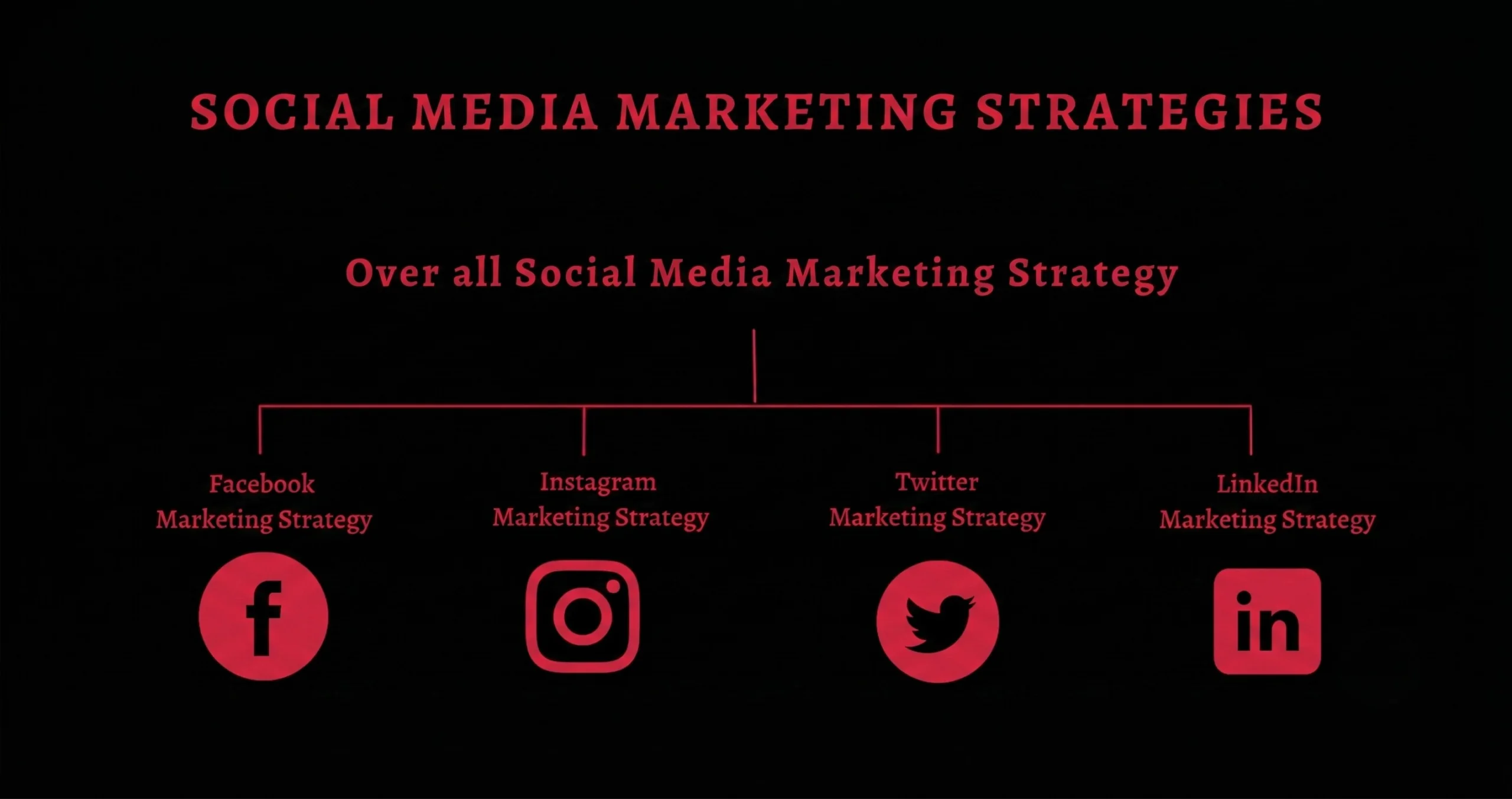
For a client selling industrial equipment with a six-month sales cycle and an average order value of ₹ 40,000, TikTok ads would have been a waste of budget. What worked instead was a combination of LinkedIn outreach, gated technical content, and email nurture sequences that respected how long that buyer actually takes to decide. For a direct-to-consumer skincare brand I worked with, the opposite was true. Instagram and TikTok, paired with influencer seeding, drove real revenue within weeks because the purchase decision was emotional and fast.
The lesson: channel selection should follow customer behaviour, not marketing trends.
Attribution Is Messier Than Dashboards Suggest
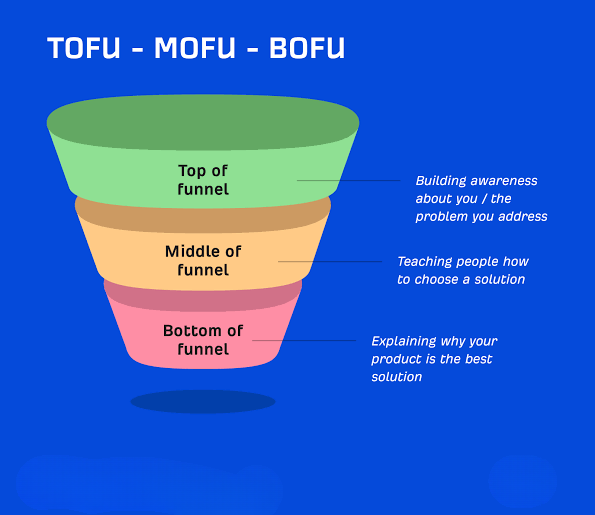
Every analytics platform will happily tell you which channel gets “credit” for a sale. I’ve learned to treat these numbers as directional, not gospel. Cross-device behaviour, ad blockers, iOS privacy changes, and multi-touch journeys mean that last-click attribution routinely overstates the value of bottom-funnel channels like branded search and undervalues the awareness work happening on social media or content earlier in the journey.
On one project, our reports showed paid search driving 70 percent of conversions. When we paused all upper-funnel content and social spend for a two-week test, branded search volume dropped by nearly a third, and so did paid search conversions. The upper-funnel activity had been feeding the very channel getting credit for the sale. This is why I now recommend clients run periodic geo-holdout or channel-pause experiments rather than trusting dashboard attribution alone.
Content Still Works, But the Bar Has Risen
Content marketing isn’t dead, but the low-effort version of it is. Search engines and social platforms have both gotten better at identifying content that exists purely to rank or farm engagement versus content that actually helps someone. I’ve seen thin, keyword-stuffed blog posts lose rankings steadily over the past two years while longer, more specific, experience-based content has held or gained ground.
The practical shift I’ve made with clients is simple: every piece of content needs a reason to exist beyond “we need to publish something this week.” That might mean including original data from the client’s own customer base, a documented process they use internally, or a genuinely contrarian point of view backed by results. Generic advice that could have been written by anyone, about anything, in any industry, tends to underperform regardless of how well it’s optimised.
Paid Media Rewards Structure Over Cleverness
Marketers love talking about the perfect ad copy or a viral creative angle, but the accounts that consistently perform well are usually just structured properly. That means clean campaign segmentation, sensible budget allocation between testing and scaling, conversion tracking that’s actually accurate, and enough patience to let the algorithm gather data before judging performance.
I’ve audited dozens of underperforming ad accounts, and the pattern is remarkably consistent. Campaigns get restructured every few days out of impatience, conversion events are misconfigured or duplicated, and budgets are spread so thin across audiences that no single ad set ever exits the learning phase. Fixing the structure, without touching a single piece of creative, has been enough to improve performance in a majority of the accounts I’ve worked on.
Measurement Should Match the Business Stage
A pre-revenue startup and a ten-year-old established brand should not be measuring success the same way. Early-stage companies often need to prioritise learning velocity, how quickly they can test messaging, audiences, and offers, over pure efficiency metrics like cost per acquisition. Established brands with stable unit economics can afford to optimise tightly around ROAS or customer lifetime value because they already know what “good” looks like.
I’ve watched founders kill promising channels too early because a first-month cost per acquisition looked bad, without accounting for the fact that they were still learning what messaging resonated. Give any new channel or campaign a defined testing budget and timeline before deciding whether it works.
The Honest Bottom Line
Digital marketing isn’t a set of hacks. It’s a discipline that combines audience research, honest measurement, and enough creative judgment to know when the data is telling you something real versus something noisy. The tools and platforms will keep changing, algorithms will keep shifting, and new channels will keep emerging. What doesn’t change is the value of understanding your customer better than your competitors do and being honest with yourself about what your data is actually showing.
If you’re building a digital marketing strategy, resist the urge to copy what worked for someone else’s business. Start with your own customer journey, measure carefully, and give good ideas enough time to prove themselves before moving on.