What Is CRO and Why Does It Matter?
Conversion Rate Optimisation is the practice of improving your website so that a higher percentage of visitors take a desired action, whether that’s filling out a contact form, making a purchase, booking a demo, or signing up for a newsletter. If this sounds familiar, the problem isn’t your marketing, it’s your website’s ability to turn visitors into customers.You’ve invested in SEO. Your Google Ads are running. Traffic is coming in, yet the leads aren’t converting, and the sales aren’t happening. If this sounds familiar, the problem isn’t your marketing, it’s your website’s ability to turn visitors into customers. That’s exactly what Conversion Rate Optimisation (CRO) addresses.
The formula is simple: if 1,000 people visit your website and 20 of them convert, your conversion rate is 2%. CRO is the discipline of pushing that number higher, even to 3% or 4%, without spending an extra rupee on ads. Double your conversion rate, and you’ve effectively doubled your revenue from the same traffic budget. Closing that gap between traffic and conversion is one of the highest-leverage moves our
digital marketing company in Kolkata runs on a fresh account.
The Most Common Reasons Websites Fail to Convert
Slow load times kill intent. When a user searches for a product or service, they arrive at your page with a specific intent. Every second of delay weakens that intent. The behavioural-analytics workflow that surfaces exactly where users drop off – and at which load-time threshold – is documented in our guide to
how behavioural analytics improves digital marketing performance. A page that loads in 5 seconds converts significantly worse than one that loads in 2 seconds, and mobile users are especially unforgiving.
Unclear value propositions. Most homepages and landing pages bury the “why us” too deep. A visitor should understand within 5 seconds who you are, what you offer, and why it’s better than the alternative. If your headline says “We Deliver Excellence” instead of “Custom Software Built in 6 Weeks – No Surprise Costs,” you’re losing people before they scroll.
Too many choices, too little direction. When visitors are presented with too many navigation options, CTAs, or pop-ups simultaneously, decision paralysis sets in.A focused page with a single clear call-to-action consistently outperforms a busy page with multiple competing options. The reason this works lives inside the four micro-moments framework – covered in our micro-moments marketing guide.
Trust signals are missing or weak. First-time visitors are sceptical. They need reassurance before handing over their email address or payment details. Client logos, testimonials with real names and photos, case study links, certifications, and even a visible phone number dramatically improve conversion rates.
Forms ask for too much, too soon. A 12-field contact form on a cold traffic landing page will underperform a 3-field form every time. Ask for the minimum required to start the conversation; collect the rest later.
A CRO Process That Actually Works
Effective CRO is not guesswork. It follows a structured loop:
Step 1 – Measure. Use tools like Google Analytics 4, Hotjar, or Microsoft Clarity to understand where users drop off. Heatmaps, session recordings, and funnel reports tell you what is happening on your pages.
Step 2 – Hypothesise. Based on the data, form a specific hypothesis. For example: “Changing the CTA from ‘Submit’ to ‘Get My Free Audit’ will increase form completions because it communicates value rather than obligation.”
Step 3 – Test. Run an A/B test using tools like Google Optimise or VWO. Show the original version to 50% of visitors and the new version to the other 50%. Let it run until you have statistical significance.
Quick CRO Wins You Can Implement This Week
– Replace generic CTAs like “Learn More” with outcome-driven text like “Start My Free Trial” or “See Pricing Plans”
– Add a short video on your homepage explaining what you do. A video increases time-on-page and builds trust fast
– Move your strongest testimonial above the fold instead of burying it at the bottom
– Test removing navigation links from landing pages to keep visitors focused on a single action
– Add a live chat widget, even the presence of a chat bubble signals that a real person is available
CRO and SEO Work Together, Not in Isolation
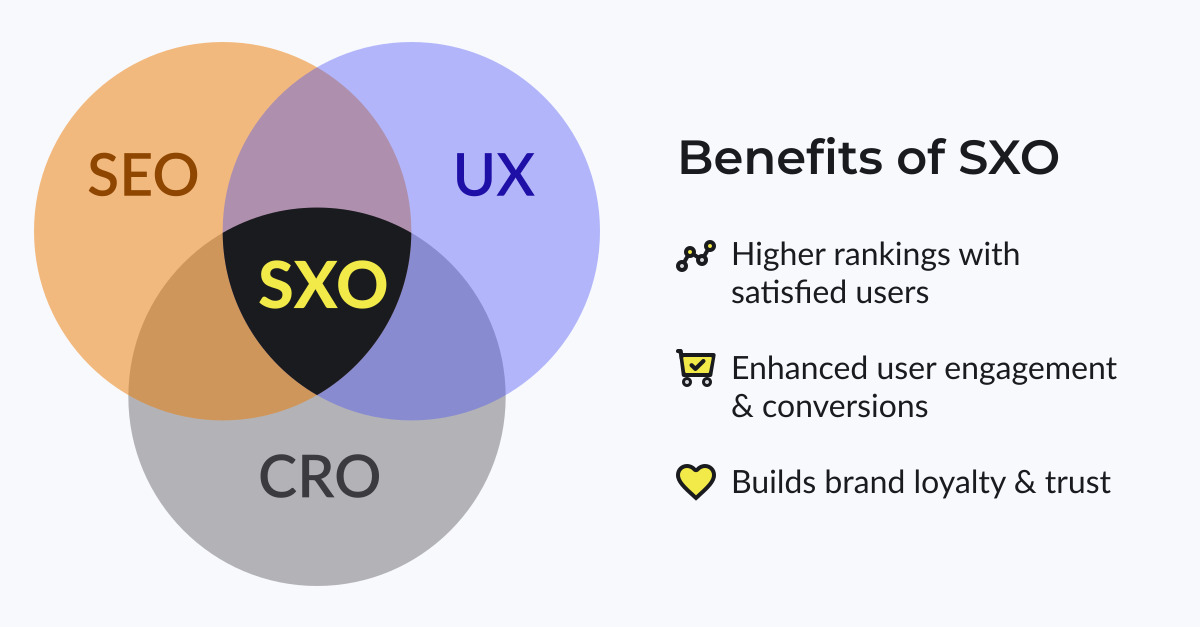
Here’s an insight many businesses miss: a higher conversion rate improves your SEO. When users find what they’re looking for on your page, they spend more time on it, engage with it, and don’t bounce back to Google. These behavioural signals, dwell time, pages per session, and low bounce rate, are indirect ranking signals.A website optimised for conversions tends to rank better over time because it genuinely serves user intent. For brands that want CRO and SEO run as a single integrated programme rather than separate workstreams, our SEO services in Kolkata scope them together from day one.
The bottom line is that traffic without conversion is a cost centre. Traffic with conversion is a growth engine. If you’ve been investing in driving traffic to your website, it’s time to ensure it’s ready to receive them.