- / Case-Study
- / Mirage Luxury
Building Mirage Fashion from Zero to a Live D2C Menswear Brand
- Case Study · E-commerce · D2C Footwear
How Nullstack Technologies engineered a complete digital ecosystem from Shopify storefront to performance marketing for a Kolkata-born cotton apparel brand targeting India’s urban male consumer.

- SECTOR
Mirage Fashion
- ENGAGEMENT
- SCOPE
- PLATFORM
- Brand Overview
Mirage Fashion
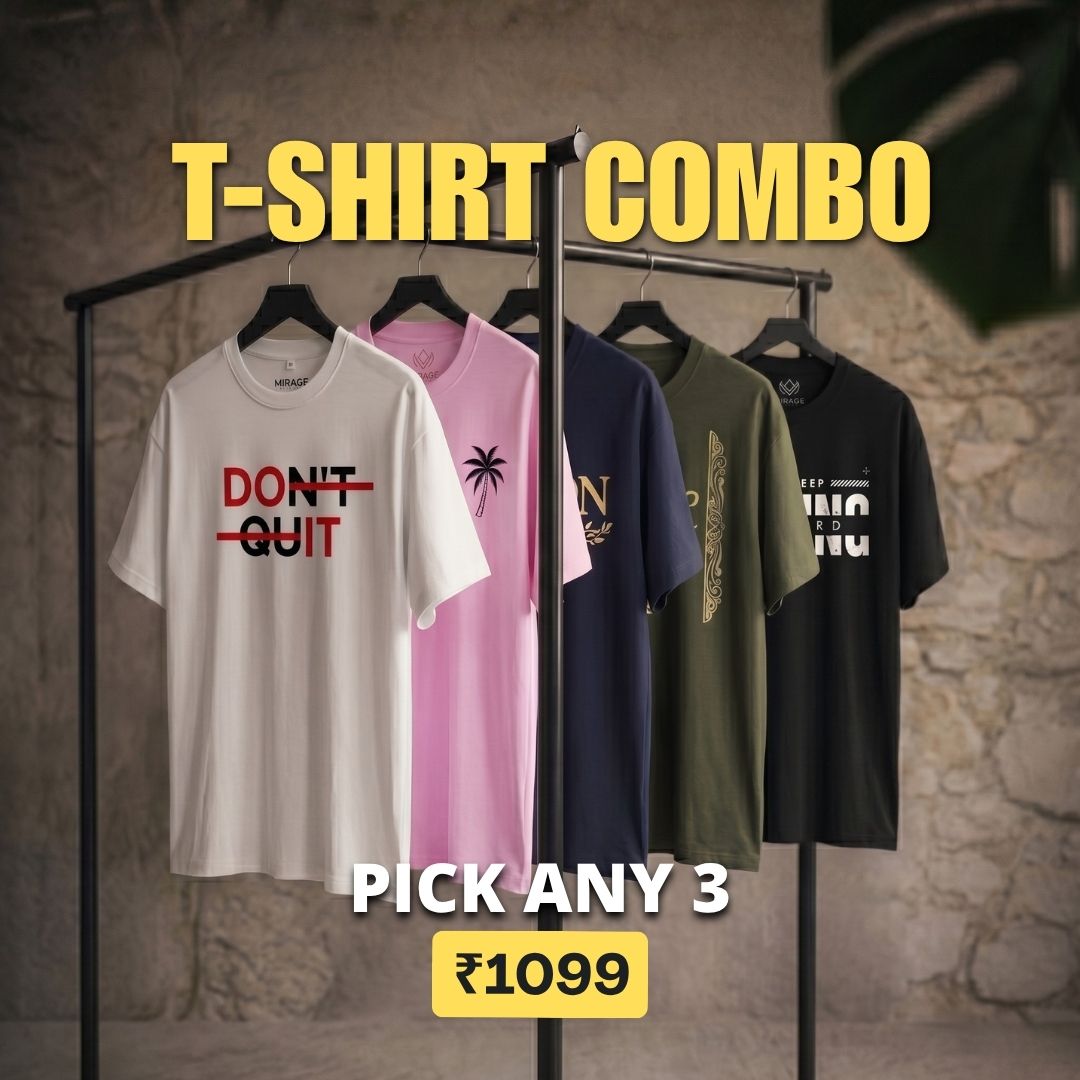
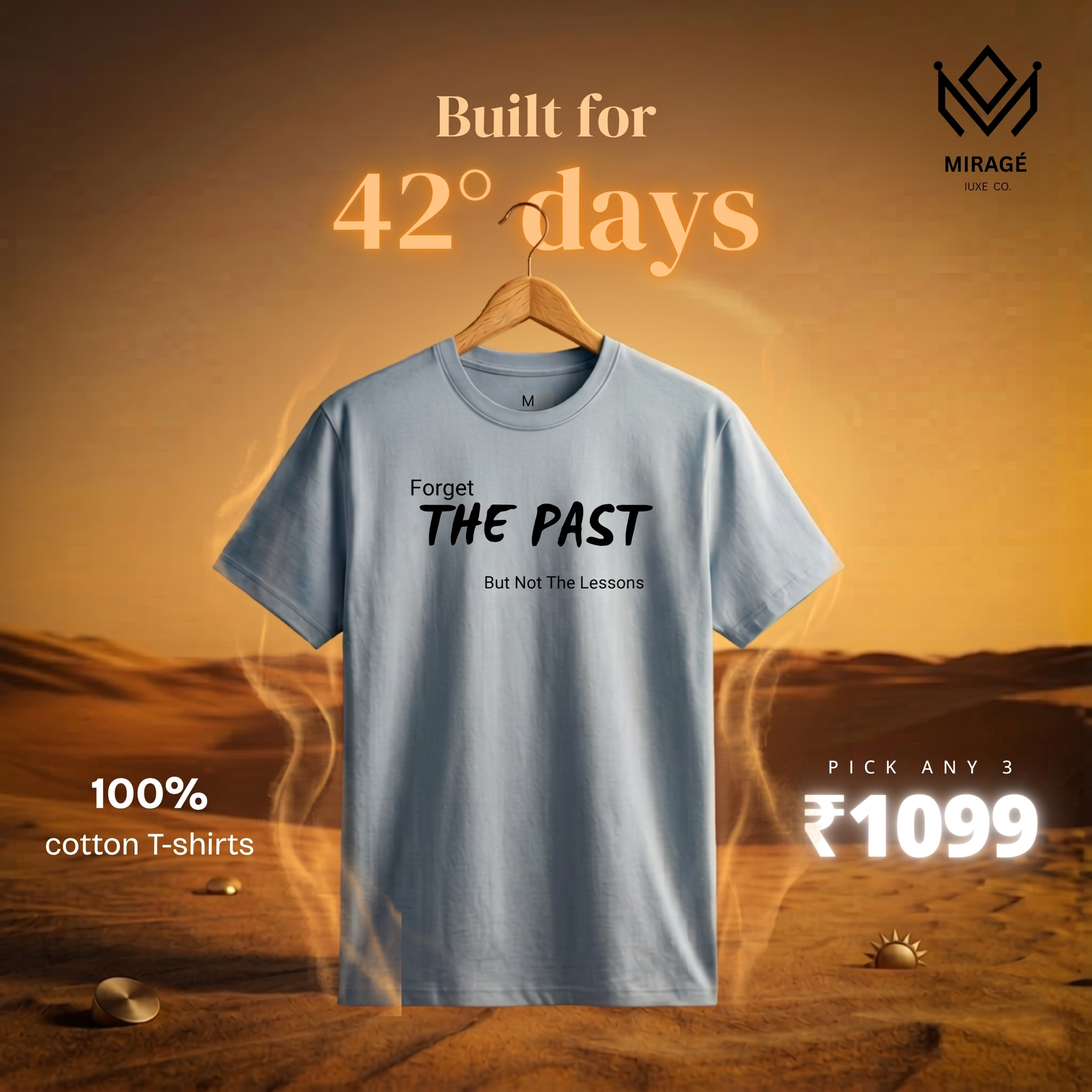
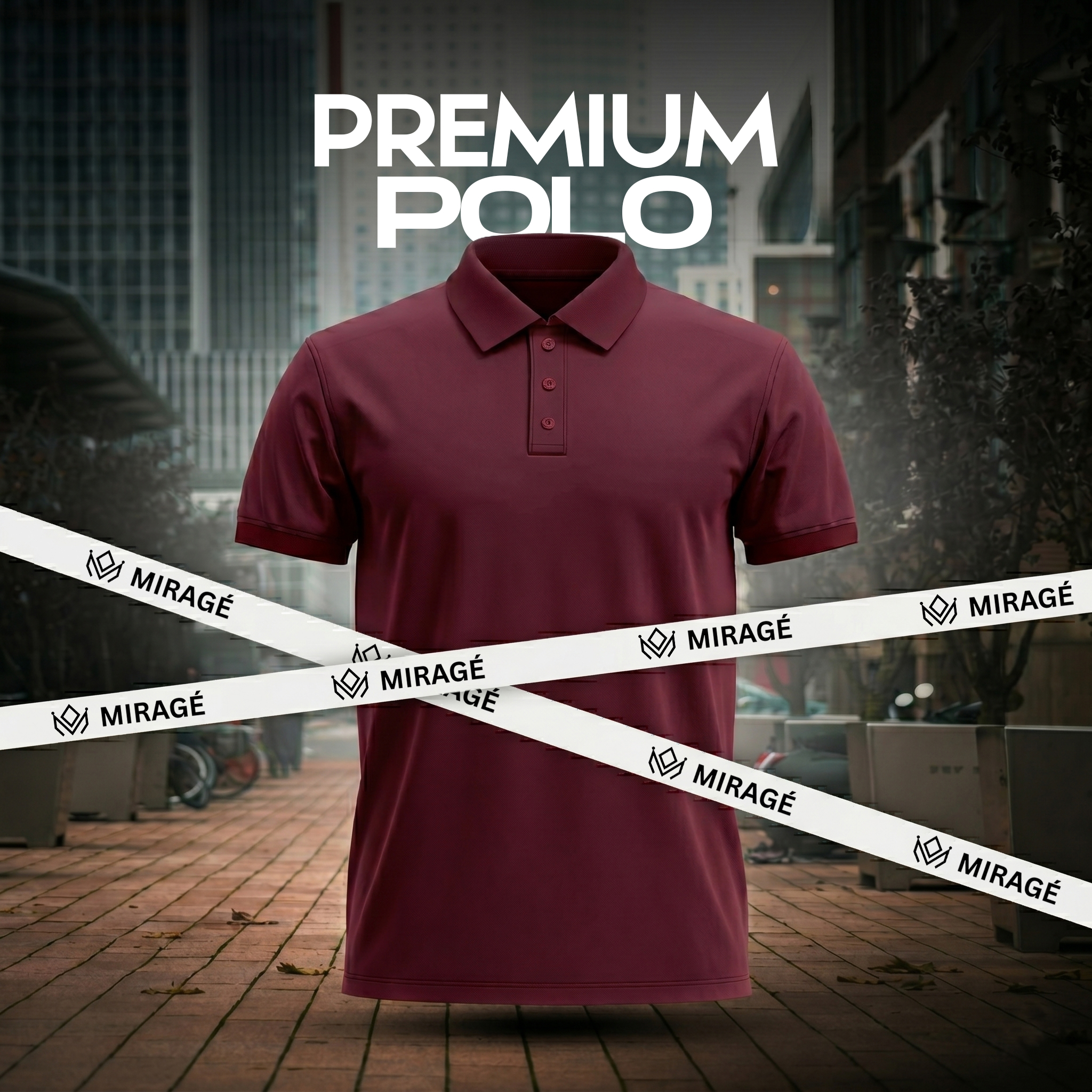
Mirage Fashion is a direct-to-consumer menswear brand built around a simple category-native promise: 100% cotton t-shirts in three silhouettes polo, oversized and round-neck sold as a hero three-tee bundle at ₹1,099. Priced for the everyday consumer and positioned for the young urban Indian male aged 18–35, the brand was engineered as a scalable D2C label from day one. When the founder came to us, the brief was refreshingly honest: a real product line and a working commercial thesis, but no storefront, no ad accounts, no creative library, and no measurement stack. Everything the customer would eventually touch storefront, product story, ad system, checkout, delivery, retention had to be built, and then made to perform.
- THE STOREFRONT
A Premium T-Shirt Brand Built for Everyday Comfort
We treated Mirage Fashion as a portfolio brand not a service contract. Every workstream from Shopify architecture to model shoot direction was executed against a single brand line. The silhouette range, the bundle-first ₹1,099 pricing, and the everyday-cotton positioning became the narrative spine we carried into every channel: paid, organic, social and content.
Nullstack executed across 14 distinct workstreams simultaneously: Shopify e-commerce development, Razorpay and Shiprocket integration, product and ad photography, model video shoots, Meta Ads, Google Ads, Merchant Center, Search Console, GA4 analytics, SEO, social media management, creative design, competitor research, and daily order operations.
- THE CHALLENGE
The NullStack Approach
Project Goals: At project kickoff, several business and technical objectives were identified: build a modern and trustworthy D2C storefront; design a conversion-focused shopping experience for a mobile-first Indian audience; launch a disciplined Meta Ads programme calibrated for the sub-₹500/day starting budget; deploy a Shopify store engineered for Core Web Vitals; set up a first-class measurement stack (Meta Pixel + CAPI, GA4, GSC); establish social presence on Instagram and Facebook; and build daily order-management systems ready to scale from zero to n+ orders per day. The challenge was to compress a full brand launch into a single sequenced build without compromising quality on any single workstream.
UI/UX Design Strategy : The visual strategy focused on a premium, clean, mobile-first shopping experience calibrated for the everyday Indian consumer. Rather than overwhelming users with heavy animation or cluttered layouts, the design approach emphasised silhouette-forward product cards, generous whitespace and category clarity. The UI/UX strategy included consistent product-card systems, high-legibility PDPs with fabric, fit and size details above the fold on mobile, a bundle-first surface for the hero ₹1,099 three-tee offer, mobile-responsive checkout flows, clear CTA placement, and consistent branding across every touchpoint. Nine in ten sessions on a new Indian D2C brand arrive from mobile, so every design decision was validated against a 6.1-inch viewport first.
Shopify Development Approach : The platform was built on Shopify for its reliability, D2C-native infrastructure and integration ecosystem. Instead of stacking thirdparty apps that slow the storefront, the development approach prioritised a lightweight architecture and clean theme customisation. The process focused on optimised theme structure, efficient app integration, scalable product-and-collection organisation, streamlined backend management, and clean Razorpay and Shiprocket integration for payment and fulfilment. The backend was configured so the client.can independently manage products, collections, promotions, inventory, and homepage content without agency intervention.
Meta & Google Ads Architecture : Meta was launched with a deliberately lean architecture calibrated for the founder’s ₹500/day starting budget: one campaign, one ad set, all produced model reels running simultaneously as separate ads, targeted to Men 18+ on Advantage+ audience and placements. The optimisation goal was set to Add-to-Cart for a short seeding window before switching to Purchase — a technical response to Meta’s 50event-per-week learning-phase threshold at low daily budgets. Lookalikes, interest stacks and dynamic product ads were deliberately held back to Month 2. On Google, we set up Shopping, Search and YouTube with a clean Merchant Center feed built for scalable growth into Performance Max as purchase signal accumulates.
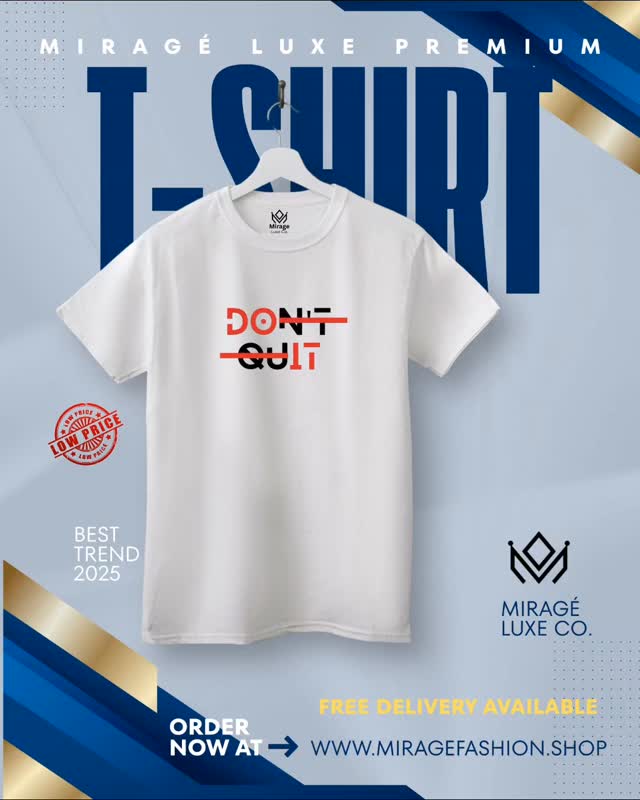
Creative Production & Studio: Ad creative was produced in-house across indoor and outdoor model shoots, following a UGC-inflected but produced aesthetic that reads well against the organic feed. The pipeline covered shot listing, direction, wardrobe styling, on-set art direction, editing, colour grading, and platform-ready delivery in 9:16 and 1:1. Product photography was executed as a coherent range across every SKU, colour and silhouette — calibrated for both PDP and collection grid. Alongside video, we produced static image creatives for placements where reels are not the best format: headline-forward, offer-anchored units with specific strategic roles (offer amplification, benefit foregrounding, retargeting reinforcement).
- OUR APPROACH
Four phases, run in parallel
We structured the engagement in four overlapping phases rather than a strict waterfall, since commerce infrastructure, content, and media all need to mature together for a D2C brand to scale sustainably.
Phase 1 - Foundation
Shopify store build, collection and product page UX, Razorpay and Shiprocket integration. Nothing gets paid traffic until the path from ad click to delivered order is structurally sound.
Phase 2 - Content Engine
Studio and outdoor photography and video production calibrated specifically for footwear angles, lighting, and model direction that show fit, material, and sole detail.
Phase 3 - Demand Generation
Meta Ads, Google Ads (Search + Shopping), Google Merchant Center, and technical SEO running in parallel, each feeding product and collection pages already built to convert.
Phase 4 - Retention & Operations
Daily order management, RTO reduction protocols, Wati-driven WhatsApp communication, and review collection, the operational layer that protects margins as order volume scales.
- INSIDE THE BUILD
Shopify architecture & CRO
Mirage storefront was built on Shopify with a deliberate focus on the two pages that decide most ecommerce outcomes: the collection page and the product page.
Collection pages were structured by use-case and audience first. This taxonomy also gives Google clean, intent-matched landing pages for both organic and Shopping traffic.
Product pages were optimized around the specific friction points of buying footwear online: size charts on every listing, multi-angle and lifestyle imagery, anti-skid and sole-detail callouts where relevant, and clear delivery and COD information surfaced before checkout
rather than buried in policy pages.
Site-wide trust and conversion elements include a verified review widget, clearly stated delivery timelines, multiple accepted payment methods, and a structured FAQ block addressing sizing, COD, shipping, bulk/B2B orders, and cancellations content that doubles
as long-tail SEO and reduces pre-purchase support queries.
- Payments & Logistics
Razorpay was integrated as the primary payment gateway, enabling cards, UPI, and net banking alongside cash on delivery critical in a market where COD still drives a meaningful share of footwear purchases, but where prepaid conversion needs active encouragement for cash-flow and RTO reasons.
Shiprocket was integrated for delivery and fulfillment, giving Mirage a multi-courier network, automated tracking links, and shipment-level visibility as order volume scales. Together, these integrations form the operational backbone every marketing channel
ultimately depends on: an ad is only as good as the checkout and delivery experience it leads to.
- Key takeaways
For D2C and manufacturing-first brands evaluating a similar growth path, the structural lessons from the Mirage engagement generalize well. Commerce infrastructure, content, and paid media need to be owned by one accountable team, or at minimum one shared roadmap, because each one’s output is the next a Shopify page is a landing page, a product photo is an ad creative, and a delivery SLA is a retention lever. In COD-heavy markets, RTO reduction is a growth lever, not just a cost-control measure, since every percentage point recovered is equivalent to free incremental revenue on the same ad spend. In visually-driven categories like footwear, content production is a recurring marketing input rather than a one-time deliverable — creative fatigue on Meta makes a continuous photo/video pipeline a direct driver of campaign performance.
- WHAT WE DELIVERED
-
Custom Shopify D2C storefront
Liquid-themed, conversion-instrumented, schema-rich
-
Meta Ads management
Account, pixel + CAPI, catalogue feed, prospecting + BOF retargeting
-
Razorpay payment integrationt
UPI, cards, net banking, wallets, EMI
-
Google Ads management
Search (brand + non-brand), Shopping, YouTube tracking
-
Logistics aggregator integration
Multi-courier dispatch, tracking, RTO, pickup
-
Product photography
Studio catalogue + outdoor model-led lifestyle shoots
-
WATI WhatsApp Business API
Order updates, support, cart recovery, broadcasts
-
Video Production
Shoot, edit, format-adapt for ads, social, YouTube
- CREATIVES MADE BY US